
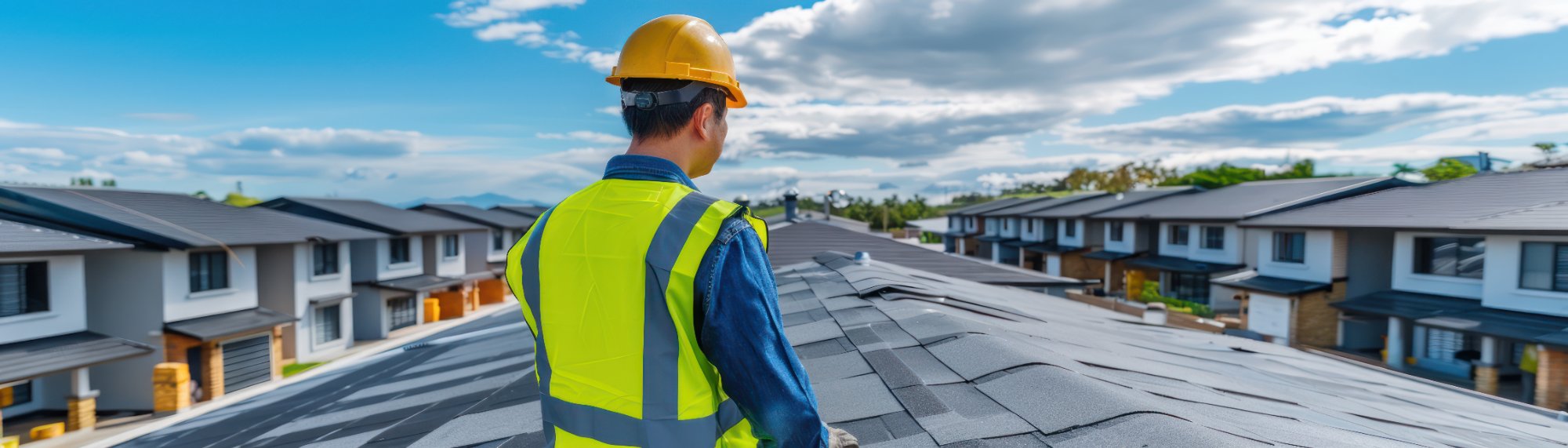
Perched along the cliffs between Hastings and Winchelsea, Fairlight occupies one of the most exposed coastal positions in East Sussex. This small clifftop village has attracted generations of homeowners drawn to the spectacular Channel views and rural tranquility, but those same qualities create roofing challenges unknown to properties just miles inland. Fairlight Roof Surveys specialise in the distinctive inspection demands of this maritime environment — where salt-laden wind, driving rain, and unrelenting exposure test every roof covering, flashing, and fixing far more severely than sheltered inland locations ever experience.
Fast, independent roof surveys from local experts.
The village's housing stock reflects its development through distinct phases — isolated medieval farmhouses and cottages scattered along ancient tracks, Victorian expansion when the railway brought commuters seeking coastal residences, interwar bungalows built for retirement and weekending, and more recent infill development catering to those escaping urban life. From traditional handmade clay tile roofs on eighteenth-century cottages around Fairlight Place, through the slate-covered Victorian villas near the church, to the concrete-tiled bungalows of the 1960s and 1970s along Battery Hill, each generation brought different materials and construction approaches — and each now shows age-specific deterioration patterns accelerated by the relentless coastal climate.
Fairlight Roof Surveys combine certified inspection expertise with advanced technology — drone aerial photography capturing every elevation without the safety risks of scaffolding on clifftop sites, thermal imaging revealing hidden moisture ingress behind wind-driven rain penetration, and detailed written reporting designed to support property purchases, insurance claims, or maintenance planning. We understand that coastal properties demand a different inspection approach, and our methodology reflects that reality.
Fairlight Roof Surveys emerged from a straightforward observation: coastal properties deserve specialist inspection services that recognise the unique challenges of the maritime environment. Too many Fairlight homeowners have relied on surveyors with inland experience who fail to appreciate how salt air accelerates metal corrosion, how sustained wind loading displaces fixings that would hold firm elsewhere, and how driving rain finds entry points through defects that remain benign in sheltered locations. The result is either missed problems that escalate into expensive failures or unnecessary alarm over conditions that experienced coastal inspectors recognise as normal weathering.
Our inspection process begins with a detailed site assessment from multiple ground positions, noting exposure direction, sheltering factors, and visible signs of coastal weathering. Our DJI Enterprise drone then systematically photographs every roof plane, ridge, valley, hip, verge, and chimney from angles impossible to replicate with ladders — particularly important on clifftop sites where wind conditions frequently make conventional access dangerous or impossible. Where thermal imaging is specified, our FLIR equipment detects moisture patterns invisible to visual inspection, revealing water tracking beneath tiles and within roof structures before internal damage becomes apparent.
Fairlight's building stock varies dramatically across the village. A medieval timber-framed cottage near Lower Waites Lane has completely different roofing from a 1930s bungalow on Battery Hill, and both differ again from a 1990s detached house built to modern wind-loading standards. Fairlight Roof Surveys work across every era and material because the village demands that breadth of knowledge. We have inspected everything from listed buildings requiring heritage-sensitive assessment through to contemporary coastal homes with complex multi-pitch designs and large glazed sections.
Independence defines our service model. Fairlight Roof Surveys carry out inspection and reporting only — we do not undertake repairs, we hold no commercial relationships with roofing contractors, and we have no financial interest in the findings of any survey. When we confirm a roof is performing adequately, that assessment carries genuine authority. When we identify problems, the repair costings in our reports reflect realistic market rates, not inflated figures designed to pressure hasty decisions.
Nearby Coastal Areas with Similar Property Challenges: The roofing issues we document in Fairlight are shared across the wider 1066 coastal belt where properties face similar exposure conditions. Homeowners in Hastings and Rye encounter comparable problems with salt corrosion, wind damage, and accelerated material degradation. Our area guides provide location-specific information relevant to your property.
Fairlight Roof Surveys are not roofers, builders, or contractors. We provide independent inspection and reporting only — ensuring every assessment is free from commercial bias.
Fairlight Roof Surveys are ready to inspect your coastal property. Whether it is a historic cottage near Fairlight Glen, a Victorian house overlooking the Channel, or a modern bungalow on Battery Hill, our team delivers the specialist coastal expertise you need.
What Fairlight Roof Surveys bring to coastal homeowners, buyers, and landlords
Fairlight's clifftop properties present specific access challenges. Many homes perch on sloping sites where ladder placement is precarious, and the exposed position means wind conditions frequently make traditional access unsafe. Our DJI Enterprise drone captures comprehensive high-definition imagery of every roof section, ridge, valley, and chimney without the safety risks associated with scaffolding on clifftop locations. The aerial perspective reveals wind damage patterns and exposure-related defects invisible from ground level.
Coastal wind drives rain horizontally into defects that would remain dry in sheltered inland locations. Our FLIR thermal cameras detect temperature differentials caused by concealed moisture beneath tiles, within roof timbers, and behind flashing systems — revealing water ingress tracking through the roof structure before visible internal staining appears. This early detection prevents minor leaks developing into structural timber decay requiring major intervention.
Every Fairlight Roof Surveys report is a comprehensive technical document annotated with high-resolution drone photographs, thermal imaging overlays where applicable, and itemised repair costings at current market rates. The report format is designed for direct submission to solicitors during property purchases, insurance providers when supporting claims, or contractors as a specification for remedial works. Each report explicitly addresses coastal exposure factors relevant to the assessed property.
Fairlight Roof Surveys hold full professional indemnity and public liability insurance. Our surveyors carry recognised certifications and CAA-approved drone pilot licences. Every inspection follows a standardised methodology developed specifically for coastal properties, ensuring consistency and accuracy whether we are assessing an eighteenth-century listed cottage or a contemporary architect-designed home with complex roofline geometry.
Fairlight is not one homogeneous village — it comprises distinct pockets of development separated by farmland and woodland, each with characteristic building periods and roofing materials. The older core around Fairlight Place contains stone cottages and timber-framed buildings with handmade clay tile roofs dating back centuries. Victorian expansion brought slate-covered houses near the church when the railway improved access. Interwar development introduced concrete tiles and flat-roofed extensions. Post-war bungalows along Battery Hill and towards Fairlight Cove predominantly feature concrete interlocking tiles on low-pitch roofs designed for easy construction.
What unifies all these properties is their exposure to the Channel environment. Salt corrosion affects every metal component, wind loading stresses every fixing, and driving rain tests every junction and detail. Fairlight Roof Surveys have built our reputation on understanding how these environmental factors interact with different building ages and materials. We do not apply generic checklists — we assess each property according to its specific construction, orientation, and exposure profile.
From Victorian slate roofs near Fairlight church to concrete-tiled 1960s bungalows on Battery Hill, Fairlight Roof Surveys understand how coastal exposure accelerates roof deterioration.
How Fairlight Roof Surveys have helped coastal homeowners and property buyers

A couple relocating from London purchased a nineteenth-century detached cottage near Battery Hill with spectacular Channel views. Their homebuyer survey noted the property as "typical for the age and location" with no significant concerns raised. Before committing to the full asking price of six hundred and seventy-five thousand pounds, they commissioned Fairlight Roof Surveys for a detailed roof-specific assessment given the obvious coastal exposure.
Our drone inspection revealed three distinct problem areas invisible from ground level. The lead-lined valley gutters between the main roof and a later rear addition showed advanced corrosion from decades of salt air exposure, with through-holes already formed in two sections. Thermal imaging confirmed active water ingress tracking along the valley into the roof timbers below. We also documented fifteen displaced clay tiles on the seaward elevation, rusted hip fixings on both principal hips, and complete deterioration of the cement mortar bedding the decorative ridge tiles.
Fairlight Roof Surveys costed the necessary remedial works at approximately eleven thousand eight hundred pounds including valley replacement, tile re-fixing, hip iron renewal, and complete ridge repointing. The purchasers' solicitor presented our report and the vendor agreed to reduce the price by the full repair cost. The works were completed within two months of exchange, preventing what would have become serious structural timber decay had the valley failures continued undetected through another coastal winter.

After severe autumn gales in late 2024, the owner of a Victorian semi near Fairlight Place discovered water entering through the bedroom ceiling following torrential rain. Their insurance company sent an assessor who attributed the ingress to "gradual deterioration and lack of maintenance" rather than storm damage, rejecting the claim. The homeowner disputed the decision and contacted Fairlight Roof Surveys for an independent technical assessment.
Our drone photography documented fresh displacement of nine natural slate tiles on the south-west facing slope — the exposure direction matching the recorded storm wind direction and timing. Thermal imaging revealed a concentrated moisture path from the displaced slates through to the bedroom ceiling directly below. Close-up drone images showed clean fracture lines on several slates with no weathering on the exposed edges, confirming recent breakage rather than historic deterioration. We also photographed intact fixings still embedded in the displaced slates, proving the failure resulted from wind uplift exceeding design loads rather than corroded fixings or poor maintenance.
Our comprehensive report with timestamped drone imagery and technical analysis was submitted as a formal dispute to the insurer. The claim was reassessed by a senior adjuster and approved in full within four weeks. Total repair costs of five thousand three hundred pounds including slate replacement, damaged timber repair, and internal redecoration were covered under the policy. The Fairlight Roof Surveys report provided exactly the documented technical evidence required to overturn the initial rejection.
Need a professional roof survey for your Fairlight property? Get in touch with Fairlight Roof Surveys today for a free consultation.
Feedback from coastal homeowners and buyers who have used Fairlight Roof Surveys
"Purchasing a clifftop cottage near Battery Hill with spectacular sea views but obvious exposure to the elements. Fairlight Roof Surveys documented wind damage to three sections completely invisible from below and identified corroded fixings that would have failed within two years. Their coastal expertise was precisely what we needed for confidence in this exposed location."
"Storm leaks in our Fairlight Cove home led to a rejected insurance claim until Fairlight Roof Surveys provided timestamped drone photographs proving fresh tile displacement matching the storm date and wind direction. The assessor reversed their decision within three weeks. Professional, thorough, and worth every penny when you are dealing with insurers."
"One contractor wanted sixteen thousand for a complete re-roof claiming our 1960s bungalow was beyond repair. Fairlight Roof Surveys proved only the windward slope needed replacing — the sheltered rear had years remaining. Saved us over eight thousand pounds and gave us a realistic maintenance schedule. Honest, independent service."
Transparent pricing from Fairlight Roof Surveys — choose the coastal inspection level that suits your property
Fairlight Roof Surveys offer three tiers of coastal property inspection to match different property types, budgets, and levels of concern. Every survey is carried out by the same certified team using the same professional methodology tailored for coastal environments — the difference lies in the depth of investigation and the technology deployed. Whether you own a compact 1960s bungalow or a substantial period clifftop house, there is a package designed for your needs.
Essential visual roof assessment for Fairlight homeowners needing a clear overview of their coastal property's roof condition
Full drone and thermal imaging inspection — the most requested package for Fairlight coastal property buyers and homeowners
Complete structural roof assessment for Fairlight's larger coastal homes, period properties, and exposed clifftop locations
Common questions answered by Fairlight Roof Surveys
Fairlight's clifftop position above the English Channel creates specific inspection demands unlike properties even a few miles inland. Salt-laden wind drives horizontally off the sea, accelerating corrosion of all exposed metal components including ridge clips, hip irons, valley gutter fixings, and even standard roofing nails. We regularly document coastal wind damage patterns that differ markedly from sheltered locations. Our drone methodology proves particularly valuable here where exposed clifftop sites make traditional ladder access hazardous during prevailing south-westerly wind conditions that characterise this stretch of coast.
We inspect properties throughout the village and surrounding coastal belt including the residential streets around Fairlight Place, the clifftop properties near Battery Hill with direct Channel exposure, Fairlight Cove, Fairlight Glen, Coastguard Lane, Lower Waites Lane, and the scattered rural properties along the lanes towards Pett, Guestling, and Ore. Many of our regular clients own coastal homes where understanding the specific marine environment impact on roofing materials is essential for accurate assessment.
Most residential inspections in Fairlight take between two and three hours on site depending on property size and complexity. The older stone cottages and timber-framed buildings with multiple roof valleys and traditional materials often require additional time for thorough assessment, while newer coastal builds with simpler roof profiles complete more quickly. We always factor in prevailing weather conditions when scheduling Fairlight surveys — high winds off the Channel can ground our drone equipment and delay inspections until conditions moderate to safe operating parameters.
The accelerated weathering environment of Fairlight's clifftop and directly exposed coastal locations does shorten the recommended intervals between professional roof inspections. Properties with unobstructed sea exposure should ideally undergo assessment every three to four years rather than the five to seven year cycle typical for sheltered inland homes. This recognises the reality that salt air, sustained wind loading, and driving rain combine to degrade roofing materials and fixings at rates significantly faster than equivalent inland properties experience. Post-storm damage inspections are also more common here given the village's exposed clifftop position.
Period and listed buildings represent a considerable proportion of our Fairlight workload. The village contains numerous historic cottages, farmhouses, former coastguard buildings, and stone structures dating from the eighteenth and nineteenth centuries. Our non-invasive drone inspection approach is especially appropriate for these heritage properties where erecting scaffolding or placing ladders against delicate historic fabric might cause damage to protected architectural features or disturb sensitive traditional materials. We have completed surveys on multiple Grade II listed buildings in Fairlight and surrounding parishes.
The salt air maritime environment creates distinctive failure patterns we document repeatedly. Accelerated rusting of galvanised fixings including ridge clips and hip irons occurs decades earlier than inland equivalents. Cement-based ridge mortars degrade prematurely under constant salt exposure. Tiles and slates lift and displace from sustained wind loading that exceeds original design calculations. Valley gutters block rapidly with wind-blown debris. Lead flashings around exposed chimney stacks fail earlier. Flat-roofed extensions added to older cottages show earlier membrane failure than equivalent inland installations due to the harsh coastal microclimate. Every assessment must account for these accelerated coastal deterioration factors.
Have another question? Contact Fairlight Roof Surveys directly.
Fairlight Roof Surveys provide professional roof inspections across the coastal belt and surrounding parishes
The historic core around Fairlight Place contains the oldest building stock including stone cottages, timber-framed structures, and Victorian houses near the church. Handmade clay tiles, natural slate, and traditional lead flashings characterise the older properties, while interwar and post-war infill introduced concrete tiles and modern materials.
The clifftop belt along Battery Hill contains a mix of Victorian villas, interwar bungalows, and more recent detached homes enjoying spectacular Channel views but facing maximum exposure to prevailing winds and salt air. These properties experience accelerated roofing material degradation compared to sheltered inland locations.
The properties near Fairlight Cove and along Coastguard Lane occupy the most exposed coastal positions in the village. These homes face direct salt spray during storm conditions and require specialist assessment approaches that account for the extreme marine environment impact on all roofing components.
The wooded valleys and rural lanes around Fairlight Glen and towards the inland boundaries contain scattered cottages, farmhouses, and country homes enjoying more sheltered positions than the clifftop belt but still subject to exposure from prevailing winds channelling across the local topography.
The 1960s through to contemporary development scattered throughout Fairlight introduced concrete interlocking tiles, flat-roofed extensions, and modern construction methods. These properties face the same coastal exposure challenges but with materials and fixings that show different degradation patterns from historic building stock.
Fairlight Roof Surveys operate across the wider 1066 coastal belt and Rother district. We regularly attend properties in surrounding towns and villages that share similar coastal exposure challenges and housing stock characteristics.
Fairlight Roof Surveys provide the specialist coastal inspection services that this clifftop village demands. Whether you are a buyer concerned about a period cottage's exposure to Channel weather, a homeowner investigating persistent leaks after winter storms, a landlord protecting a coastal investment property, or simply seeking clarity on an ageing roof before committing to expensive remedial works, our surveys deliver the technical evidence you need.
Every inspection combines certified coastal expertise with advanced technology — drone aerial photography revealing damage invisible from ground level, thermal imaging detecting concealed moisture ingress, and detailed written reporting formatted for solicitors, insurers, or contractors. We do not carry out repairs. We do not recommend specific contractors. We provide the facts, the photographs, the costings, and you make informed decisions.
Every report is independent, comprehensive, and designed to be acted upon — whether you are purchasing, claiming, maintaining, or simply protecting your coastal investment.
Call us today or complete the form below to arrange your Fairlight roof survey.
Contact Fairlight Roof Surveys today to arrange your coastal roof inspection
Monday - Friday: 7:30 AM - 9:30 PM
Saturday: 7:30 AM - 7:00 PM
Sunday: 9:00 AM - 5:00 PM
For urgent roof inspection needs in Fairlight, please call Fairlight Roof Surveys directly.
Call Now