
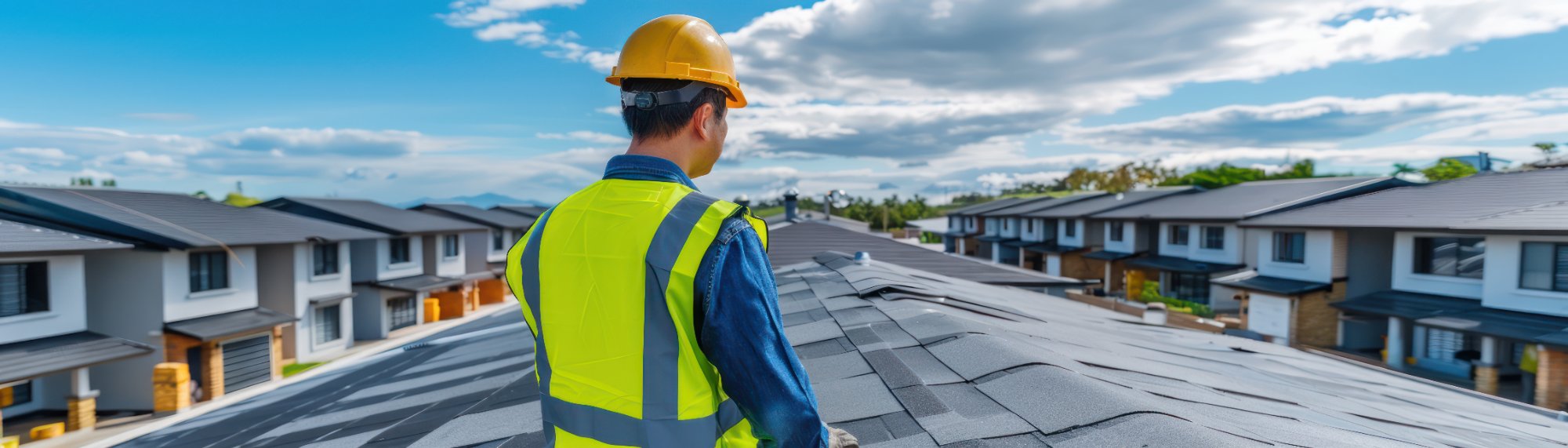
Littlehampton Roof Surveys deliver specialist coastal roof inspections across this historic West Sussex port town where the River Arun meets the English Channel. Our certified surveyors understand the unique challenges that salt spray, driving rain, and exposure to southwesterly gales impose on roofing materials. Using advanced drone technology and thermal imaging, we assess every property type found between the shingle beach and the inland estates — from the elegant Edwardian villas overlooking the harbour mouth, through the Victorian terraces along the high street and Surrey Street, to the substantial interwar detached homes of Wick, the post-war bungalows of Toddington, and the modern developments spreading eastward towards Rustington and Angmering.
Fast, independent roof surveys from coastal property specialists.
Littlehampton's seafront location means roofs deteriorate differently here than they do just ten miles inland. Wind-driven rain forces moisture through tile laps that would remain watertight elsewhere. Salt deposits accelerate the corrosion of metal fixings, lead flashings, and zinc rainwater goods. Seagull colonies damage ridge tiles and fill valleys with nesting debris. Every inspection we conduct specifically addresses these coastal vulnerabilities that generic homebuyer reports typically overlook.
Whether you are purchasing a seafront property, investigating storm damage after a Channel gale, dealing with a persistent leak in a period home, or seeking honest advice before committing to expensive repair work, Littlehampton Roof Surveys provide the independent, detailed assessment your property deserves.
Littlehampton Roof Surveys was established on a straightforward principle: coastal property owners need specialist expertise, not generic roof inspections adapted from inland methodology. The town's position where the Arun estuary opens onto the Channel creates an aggressive roofing environment. Southwesterly storms drive rain horizontally into tile joints. Salt-laden air corrodes metalwork faster than property owners expect. Thermal expansion and contraction cycles caused by maritime temperature fluctuations stress materials beyond their inland performance specifications.
Our inspection approach begins below the roofline. We walk the complete perimeter, documenting the condition of fascias, soffits, rainwater goods, and any visible deterioration from ground level. Particular attention goes to areas where salt deposition accelerates — exposed gable ends, seaward elevations, and metal guttering downpipes. Our DJI Enterprise drone then captures high-definition imagery of every roof plane, ridge, hip, valley, and chimney stack. On Littlehampton's seafront properties where multiple gables create complex intersections, drone access reveals defects that remain concealed even from scaffolding positions.
Where thermal imaging forms part of the survey package, our FLIR cameras detect moisture patterns invisible to visual inspection. This proves particularly valuable on older properties where rendered chimney breasts and parapet walls conceal water ingress until internal damage becomes evident. Salt moisture behaves differently from fresh rainwater — it travels further through masonry and creates corrosion signatures that thermal imaging highlights clearly.
The diversity of Littlehampton's housing stock demands breadth of technical knowledge. An Edwardian slate-roofed villa near the harbour requires completely different assessment criteria from a 1960s concrete-tiled bungalow in Wick or a modern development with interlocking tiles in Toddington. Littlehampton Roof Surveys understand each property type because we work across all of them daily.
We operate with complete independence. Littlehampton Roof Surveys carry out no repair work and recommend no contractors. When we identify problems, the costings in our reports reflect current local market rates — not inflated figures designed to pressure rapid decisions. When we confirm a roof remains serviceable, that judgement carries weight precisely because we gain nothing financially from either outcome.
Nearby Coastal Areas: The roofing challenges we address in Littlehampton affect properties throughout the West Sussex coastal strip. Homeowners in Worthing and Bognor Regis face identical salt corrosion, wind-driven rain penetration, and accelerated material degradation. See our location pages for detailed coastal property guidance.
Littlehampton Roof Surveys are not roofers, builders, or contractors. We provide independent coastal property inspection and reporting only — ensuring every assessment is free from commercial bias.
Littlehampton Roof Surveys are ready to inspect your coastal property. Whether it is a seafront villa, a period terrace, or a modern development, our team delivers the specialist assessment coastal roofs demand.
What Littlehampton Roof Surveys deliver to coastal property owners, buyers, and landlords
Littlehampton's seafront properties present access challenges that conventional methods struggle to address safely. Narrow terraced plots between Surrey Street and the beach offer minimal rear access. Victorian villas with ornate gable details and projecting bays create blind spots from ground level. Our DJI Enterprise drone captures every elevation in high definition — including seaward faces where salt corrosion concentrates — without disturbing nesting seabirds or risking damage to period features through scaffolding installation.
Salt-laden moisture behaves differently from fresh rainwater. It penetrates deeper into porous materials, travels laterally through masonry, and creates persistent dampness long after rainfall ceases. Our FLIR thermal cameras detect temperature differentials caused by moisture retention within roof structures, behind lead flashings, and beneath tile coverings. This technology proves invaluable on Littlehampton's older properties where salt ingress remains invisible until serious timber decay has already begun.
Every Littlehampton Roof Surveys report arrives as a comprehensive document — annotated drone photographs showing each defect location, thermal overlays highlighting moisture paths, detailed written descriptions of findings, and itemised repair costings at current West Sussex market rates. Reports are formatted specifically for sharing with solicitors during property purchases, submitting to insurance companies as storm damage evidence, or handing to contractors as precise work specifications.
Littlehampton Roof Surveys hold comprehensive professional indemnity and public liability insurance. Our surveyors carry recognised industry certifications and CAA-approved drone pilot licences. Every inspection follows a standardised methodology developed specifically for coastal property assessment — ensuring consistency and accuracy whether we are surveying an Edwardian slate roof overlooking the harbour or a modern development towards Rustington.
Generic roof surveys conducted inland fail to address the specific deterioration patterns that coastal exposure creates. Salt crystals deposited during storms expand within porous materials as humidity fluctuates, mechanically breaking down mortar joints and tile surfaces. Wind-driven rain penetrates laps and overlaps that would remain watertight in sheltered locations. UV exposure combines with salt to degrade flexible roofing membranes faster than manufacturers' specifications predict. Seabird activity concentrates on prominent ridge features, damaging hip tiles and blocking drainage paths with nesting debris.
Littlehampton Roof Surveys address these factors systematically. Our inspection checklist includes salt corrosion assessment of all metalwork, close examination of mortar condition on exposed elevations, thermal imaging of areas prone to salt moisture retention, and documentation of seabird damage. This coastal-specific methodology delivers findings that genuinely inform repair priorities rather than generic observations that could apply to any property anywhere.
From salt corrosion to wind-driven rain penetration, Littlehampton Roof Surveys understand the unique challenges that seafront and near-coastal properties face.
How Littlehampton Roof Surveys have protected coastal property owners and buyers

A couple purchasing a substantial Edwardian property overlooking the harbour mouth received a standard homebuyer survey describing the roof as "generally satisfactory with some pointing wear visible." Given the asking price exceeded eight hundred thousand pounds and the property's seafront location, they commissioned Littlehampton Roof Surveys for a comprehensive assessment before exchanging contracts.
Our drone inspection revealed extensive salt corrosion had perforated the lead lining of two internal valley gutters — completely invisible from ground level and concealed behind decorative parapet walls. Thermal imaging confirmed active moisture ingress into the roof structure. We also documented advanced nail rust causing slate slippage on the seaward elevation, degraded hip lead requiring replacement, and corroded cast iron rainwater goods showing multiple crack repairs that would fail within twelve months.
Littlehampton Roof Surveys estimated remedial costs at approximately seventeen thousand two hundred pounds. The buyer's solicitor presented our detailed report and the vendor agreed to reduce the purchase price by the full amount. The valley gutters were replaced with code 6 lead within eight weeks of completion, preventing what would have escalated into major structural timber damage had the corrosion progressed through another winter of coastal storms.

A retired couple in Wick had endured water ingress above their front bedroom for over eighteen months. Three different roofing contractors had inspected from ladders and each diagnosed a different cause — cracked tiles, failed flashing, blocked gutter. Two attempted repairs had been carried out, costing nearly three thousand pounds, yet the leak persisted with every significant rainfall. Frustrated and uncertain who to trust, they contacted Littlehampton Roof Surveys for an independent investigation.
Our comprehensive drone and thermal survey identified a single cracked concrete tile concealed beneath overhanging vegetation that none of the contractors had spotted. More critically, thermal imaging revealed the water was tracking laterally along the felt underlay for nearly three metres before dropping into the bedroom ceiling — explaining why all previous repair attempts had been in the wrong location. The tile crack itself had been caused by branch abrasion during high winds.
Using our annotated report showing the exact tile location and moisture path, a fourth contractor completed the correct repair for three hundred and eighty pounds. The leak stopped immediately. The couple saved thousands by avoiding further ineffective work, and our thermal imaging prevented needless internal investigations of the bedroom ceiling cavity. Accurate diagnosis from the outset would have prevented months of disruption and wasted expenditure.
Need a professional roof survey for your Littlehampton property? Get in touch with Littlehampton Roof Surveys today for honest coastal property assessment.
Feedback from coastal property owners who have used Littlehampton Roof Surveys
"Buying a seafront property, we were concerned about hidden salt damage. Littlehampton Roof Surveys found corroded lead valleys and rust-failed slate fixings that the standard survey completely overlooked. Their thermal imaging revealed moisture paths we had no idea existed. The vendor reduced the price by eight thousand based on their detailed costings. Expertise you cannot get from generic surveyors."
"Eighteen months of leaks and three attempted repairs that failed. Littlehampton Roof Surveys identified the actual problem within two hours using their drone and thermal camera — a cracked tile hidden by vegetation that water was tracking from. Proper diagnosis stopped months of frustration and saved us thousands in pointless work. Cannot recommend highly enough."
"A roofer wanted nineteen thousand to replace our entire roof after barely looking. Littlehampton Roof Surveys proved with comprehensive drone photography that only the south-facing slope required work — the rest was fine. Their independent report saved us over ten thousand pounds and gave us confidence to instruct the genuine repairs needed. Honest, thorough, and totally impartial."
Transparent pricing from Littlehampton Roof Surveys — choose the coastal inspection level that suits your property
Littlehampton Roof Surveys offer three tiers of inspection designed specifically for coastal properties. Every survey employs the same certified team using identical professional methodology — the differences lie in the depth of investigation and technology deployed. Whether you own a compact terrace near the high street or a substantial seafront villa, there is a package matched to your property's needs and your budget.
Essential visual roof assessment for Littlehampton homeowners requiring a clear overview of current roof condition
Full drone and thermal imaging inspection — the most requested package for Littlehampton coastal property buyers
Complete structural assessment for Littlehampton's seafront properties, period homes, and commercial premises
Common questions answered by Littlehampton Roof Surveys
Littlehampton properties face unique challenges from their coastal location. Salt-laden winds accelerate corrosion of metal fixings, flashings and rainwater goods. Driving rain penetrates tile joints more aggressively than inland. Seabird activity damages ridge tiles and blocks gutters. Our inspections specifically assess these coastal vulnerabilities using thermal imaging to detect salt moisture ingress invisible to the eye. We understand how Channel storms affect roofing performance differently from inland weather patterns.
Most Littlehampton property inspections require between two and three hours on site. Seafront homes with multiple gables and complex valley arrangements tend towards the upper end of that range. Smaller bungalows inland complete faster. Our drone surveys capture complete roof coverage without requiring scaffolding access — particularly valuable on narrow terraced plots with limited rear access. Full reports with annotated photography and repair costings arrive within forty-eight hours of the visit.
Period properties constitute a significant portion of our Littlehampton workload. We regularly survey Edwardian seafront villas with natural slate roofs, Victorian terraces along the high street with clay tiles and ornate ridge details, and the substantial interwar detached homes of Wick. Our drone technology proves particularly valuable on these properties where traditional access methods risk damaging period features or disturbing nesting seabirds during breeding season. Coastal period properties deteriorate differently from inland equivalents and require specialist assessment.
Every comprehensive and premium inspection from Littlehampton Roof Surveys includes timestamped drone imagery, thermal overlays showing moisture paths, detailed damage documentation, and itemised repair estimates at current market rates. Insurance providers demand photographic evidence rather than verbal descriptions. Our reports are structured specifically to satisfy underwriter requirements. We have supported numerous successful storm damage claims for Littlehampton coastal properties — particularly following southwesterly gales that drive rain horizontally into exposed elevations.
Coastal exposure creates specific patterns of deterioration. We frequently encounter corroded lead flashings on Victorian slate roofs near the seafront, salt-accelerated nail rust causing slipped tiles on Edwardian properties, failed flat roofing membranes on post-war bungalows where UV exposure combines with salt spray, blocked valley gutters filled with seaweed and bird debris, and prematurely degraded ridge mortar on concrete tile roofs where wind-driven rain undermines cement bonds faster than inland equivalents. Cast iron rainwater goods also fail earlier than manufacturers' expected lifespans due to salt corrosion.
Commercial roof inspections form a growing segment of our Littlehampton schedule. We assess retail units along the high street and harbour area, converted warehouse spaces, hospitality properties near the beach, care homes across the borough, and light industrial units on business parks. All flat roof systems including felt, GRP, EPDM and single-ply membranes fall within our scope. Coastal commercial properties face the same accelerated deterioration as residential buildings and require specialist assessment that generic surveyors cannot provide.
Have another question? Contact Littlehampton Roof Surveys directly.
Littlehampton Roof Surveys provide professional coastal roof inspections across the town and wider West Sussex region
The properties immediately overlooking the beach and harbour mouth face the most aggressive coastal exposure. Edwardian villas with slate roofs, Victorian terraces with ornate clay tiles, and modern apartment developments all experience accelerated salt corrosion, wind-driven rain penetration, and seabird damage concentrated on this narrow coastal strip.
The historic core around the high street and Surrey Street contains Victorian terraces, converted commercial buildings, period properties with ornate ridge details, and some listed structures. While slightly protected from direct maritime exposure, these properties still experience coastal weather patterns and salt-laden air that accelerates material deterioration.
Immediately west of the town centre, Wick features substantial interwar detached homes, 1960s bungalows, and some period cottages. Properties here experience slightly reduced salt exposure compared to the immediate seafront but still face prevailing southwesterly winds that drive coastal weather patterns inland.
North of the town centre towards the A259, this area comprises post-war housing estates, modern developments, and 1980s-1990s builds. Concrete interlocking tiles dominate, with flat-roofed extensions and garages common. These properties sit further from direct coastal exposure but still require inspection methodologies that account for maritime climate effects.
The eastern edge of Littlehampton transitions into Rustington along the coastal strip. Properties here include interwar bungalows, detached family homes from various decades, and some newer developments. Proximity to the coast remains significant, with salt spray and wind exposure creating similar deterioration patterns to the town centre.
Littlehampton Roof Surveys operate throughout the West Sussex coastal belt. We regularly attend properties in neighbouring towns and villages that share identical coastal roofing challenges, salt exposure patterns, and maritime weather conditions requiring specialist assessment expertise.
Littlehampton Roof Surveys provide the specialist coastal property inspections that this historic port town requires. Whether you are purchasing a seafront villa with concerns about salt corrosion, dealing with storm damage after a Channel gale, investigating a persistent leak in a period terrace, or simply seeking honest advice about an ageing roof before committing to expensive repairs, our surveys deliver the clarity coastal properties demand.
Every inspection combines certified expertise with advanced technology — drone aerial photography, thermal imaging for salt moisture detection, and detailed written reporting formatted for solicitors, insurance companies, or contractors. We do not carry out repairs. We do not recommend specific contractors. We provide independent facts, photographic evidence, and accurate costings, allowing you to make informed decisions with confidence.
Every report is independent, comprehensive, and written to be acted upon — whether you are buying, selling, claiming, or protecting your coastal investment.
Call us today or complete the form below to arrange your Littlehampton roof survey.
Contact Littlehampton Roof Surveys today to arrange your coastal property roof inspection
Monday - Friday: 7:30 AM - 9:30 PM
Saturday: 7:30 AM - 7:00 PM
Sunday: 9:00 AM - 5:00 PM
For urgent coastal roof inspection needs in Littlehampton, please call Littlehampton Roof Surveys directly.
Call Now