
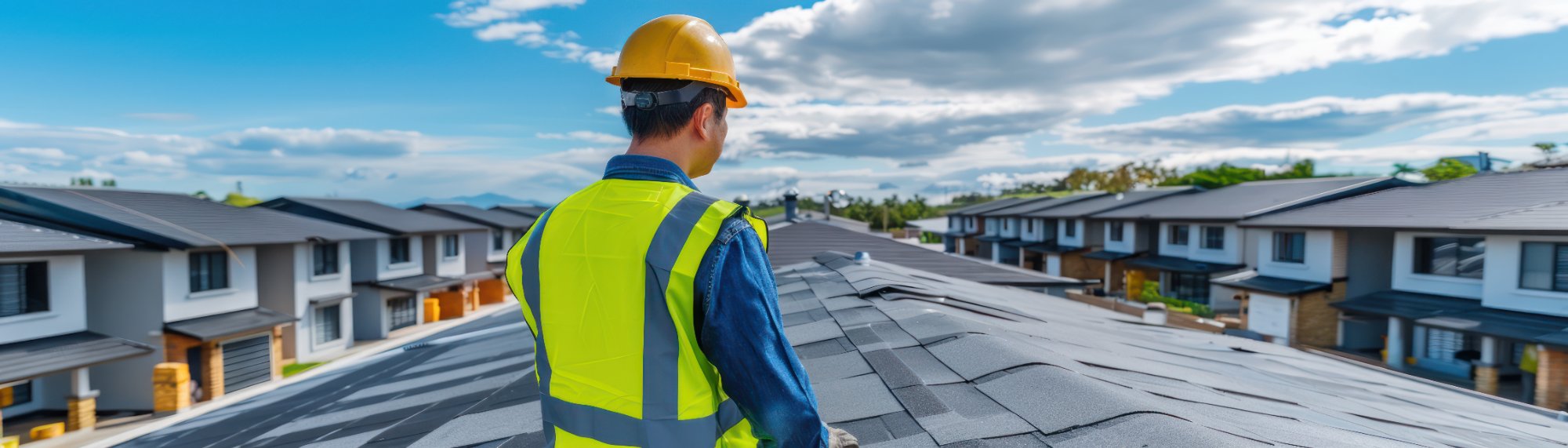
Nestled within the rolling countryside of the Low Weald between Lewes and Uckfield, Barcombe Cross presents unique roofing challenges that demand specialist understanding. Barcombe Cross Roof Surveys deliver independent, professional inspections tailored specifically to the rural housing stock of this scattered East Sussex village — from weathered Sussex cottages dating to the sixteenth and seventeenth centuries, through Victorian farmhouses and agricultural conversions, to sympathetically designed modern builds constructed in the traditional vernacular. Our certified surveyors combine advanced drone technology with thermal imaging to assess roofs across isolated lanes, beneath overhanging tree canopies, and in locations where traditional ladder access proves impractical or impossible.
Fast, independent roof surveys from local experts.
The landscape around Barcombe Cross is defined by its dispersed settlement pattern — properties scattered along narrow lanes between Barcombe Mills, Spithurst, Culver and Ranscombe, many set within large plots and separated from neighbours by fields, woodland and pasture. This rural character brings distinctive roofing issues: accelerated moss and lichen growth beneath tree cover, blocked gutters and valleys from seasonal leaf fall, wildlife damage from nesting birds and squirrels, and exposure to driving rain channelled by the topography. Period cottages built with hand-made clay plain tiles, reclaimed slate, and timber framing demand different expertise from twentieth-century brick builds or twenty-first-century barn conversions clad in reconstituted slate or modern tile systems.
Whether you are purchasing an isolated cottage along the lanes towards Hamsey, investigating recurring leaks in a converted barn near the old railway line, documenting storm damage for an insurance claim, or simply seeking clarity before investing in roof repairs on your family farmhouse, Barcombe Cross Roof Surveys provide the detailed, impartial assessments rural property owners require. Our reports deliver hard evidence, accurate costings, and clear recommendations — allowing you to move forward with confidence.
Barcombe Cross Roof Surveys was established from a straightforward recognition: rural property owners across East Sussex deserve the same quality of independent roof assessment available in towns and cities, but delivered by professionals who understand the specific challenges of isolated cottages, converted agricultural buildings, and properties set within working landscapes. Too many buyers of rural homes discover hidden roof problems only after exchange, and too many existing owners face pressure to commission expensive works based on incomplete or biased assessments.
Our inspection methodology reflects the demands of rural surveying. We begin with a comprehensive perimeter walk, documenting not just the main dwelling but all ancillary structures — garages, cart lodges, stables, barns — and noting environmental factors including overhanging vegetation, drainage patterns across the plot, and proximity to mature trees. Our DJI Enterprise drone then captures high-resolution imagery of every roof plane, ridge, valley and chimney stack, reaching elevations and angles that ladder access cannot safely achieve on isolated buildings where emergency services response times are extended. Where thermal imaging is specified, our FLIR cameras reveal moisture infiltration patterns invisible to the naked eye, particularly valuable on older properties with solid walls and limited ventilation.
The building stock around Barcombe Cross spans nearly five centuries. A timber-framed Wealden hall house from the 1600s with hand-made peg tiles carries entirely different roofing challenges from a Victorian farmhouse with Welsh slate, and both differ again from a 1980s barn conversion clad in concrete interlocking tiles or a 2010s new-build designed to planning requirements for traditional materials. Barcombe Cross Roof Surveys work across this entire spectrum because effective rural surveying demands that breadth of knowledge.
Independence forms the cornerstone of our service. We do not carry out roof repairs, we hold no commercial relationships with roofing contractors, and we derive no benefit from the findings of any inspection. When we confirm a roof remains serviceable, that judgement carries weight because it comes without financial incentive. When we identify defects requiring intervention, the repair costings in our reports reflect genuine current market rates — not inflated figures designed to pressure immediate decisions or steer work towards preferred tradesmen.
Similar Properties in Neighbouring Areas: The roofing challenges we document in Barcombe Cross — moss accumulation, blocked valleys, clay tile slip, and moisture ingress in period buildings — mirror issues found across the wider Low Weald countryside. Homeowners in Ringmer and Newick encounter comparable concerns with rural housing stock and isolated properties. Visit our area guides for location-specific information.
Barcombe Cross Roof Surveys operate as pure inspectors — we provide roof surveys only, never repairs or remedial work, ensuring every assessment remains free from commercial conflict.
Barcombe Cross Roof Surveys are ready to inspect your rural property. From period cottages to converted barns, from farmhouses to modern builds, our team delivers clarity and confidence.
What Barcombe Cross Roof Surveys deliver to rural property owners, buyers, and landlords
Isolated cottages and farmhouses around Barcombe Cross often sit within large plots, set back from lanes behind mature gardens and surrounded by fields. Traditional ladder access from the ground becomes impractical where properties lack level hardstanding or where overhanging tree branches prevent safe positioning. Our DJI Enterprise drone captures every ridge, valley, hip, and chimney stack in high-definition detail — documenting defects invisible from ground level and providing comprehensive photographic evidence without disturbing the property or requiring scaffolding erection on remote sites.
Period properties around Barcombe Cross — particularly those with solid walls, limited cavity ventilation, and traditional lime mortar construction — can conceal moisture problems for months before visible evidence appears internally. Our FLIR thermal cameras detect temperature differentials caused by water ingress beneath clay tiles, within roof timbers, and behind lead flashings. This technology proves invaluable on older cottages where accessing loft spaces involves navigating steep staircases and low ceiling heights, and where external appearances can mask serious internal deterioration.
Every Barcombe Cross Roof Surveys report delivers far more than generic observations. Our documentation includes annotated drone photographs identifying specific defects, thermal imaging overlays highlighting moisture patterns, structural timber condition assessments, and itemised repair costings at current market rates for rural locations. The report format allows direct submission to mortgage lenders, sharing with solicitors during property transactions, presentation to insurance providers for claims, or handing to roofing contractors as a precise specification for required works without ambiguity or scope for embellishment.
Barcombe Cross Roof Surveys maintain full professional indemnity and public liability insurance coverage. Our surveyors hold recognised certifications in building pathology and our drone pilots carry CAA-approved licences with authorisations for rural operations. Every inspection follows a standardised methodology refined across thousands of rural properties — ensuring consistent, accurate assessments whether we are evaluating a medieval cottage near Barcombe Mills, a Victorian farmhouse along the Spithurst lanes, or a contemporary barn conversion beside the old railway line.
Barcombe Cross is not a uniform village — it is a scattered collection of settlements and isolated dwellings spread across several square miles of Wealden countryside. The building stock reflects this dispersed character: timber-framed cottages with hand-made clay peg tiles clustered around the old village centre and along the Lewes Road, Victorian and Edwardian farmhouses with Welsh slate roofs set within agricultural holdings, mid-twentieth-century brick bungalows built as infill along established lanes, and converted barns and oast houses transformed from agricultural use with modern insulated roofing systems beneath traditional external cladding.
Each property type carries distinctive vulnerabilities. Period cottages suffer from nail fatigue in hand-made tiles, biological growth beneath tree canopies, and rot in softwood framing where ventilation proves inadequate. Farmhouses present lead valley corrosion, cast iron gutter failure, and chimney stack movement. Barn conversions often reveal inadequate thermal breaks between steel purlins and modern coverings, condensation within roof voids, and weathering of reconstituted slate that performs poorly compared to natural material. Barcombe Cross Roof Surveys have built our reputation on recognising these distinctions and tailoring every inspection accordingly.
From isolated period cottages to converted agricultural buildings, Barcombe Cross Roof Surveys understand the specific challenges of East Sussex rural properties.
How Barcombe Cross Roof Surveys have supported rural property owners and buyers

A couple purchasing a Grade II listed timber-framed cottage near Barcombe Mills received a homebuyer survey noting the roof covering appeared in "reasonable condition for age." With an asking price approaching six hundred thousand pounds and the property set within an isolated position accessed via a narrow unmade lane, the buyers wanted absolute certainty about the roof's structural integrity before committing.
Drone inspection confirmed the hand-made clay peg tiles showed typical wear but remained largely intact. Internal loft access, however, revealed extensive rot in three principal rafters and two purlins caused by long-term moisture ingress from perished hip leadwork invisible from ground level. Thermal imaging confirmed active moisture tracking along the affected timbers. Our structural assessment concluded that whilst the external covering appeared serviceable, the underlying frame required substantial intervention including temporary propping, timber splicing, and lead replacement.
Barcombe Cross Roof Surveys costed the structural repairs at approximately twenty-three thousand pounds including specialist oak sourcing, conservation officer fees, and listed building consent requirements. The buyers' solicitor presented our report and secured a price reduction of twenty-seven thousand pounds. The works were completed within four months of purchase using a conservation-accredited contractor we recommended, preserving the cottage's historic fabric whilst ensuring structural stability for decades ahead.

The owners of a barn conversion completed in 2018 contacted Barcombe Cross Roof Surveys after discovering black mould growth on bedroom ceilings and persistent condensation on velux windows during winter months. Two roofing contractors had suggested complete re-insulation at costs exceeding thirty thousand pounds, but neither provided clear diagnosis of the underlying cause. The owners sought independent assessment before authorising such extensive works.
Our thermal imaging survey revealed the problem immediately: inadequate thermal breaks between the original steel purlins and the insulated sarking board created cold bridges running the entire length of every rafter. Moisture-laden interior air was condensing on these cold metal surfaces, dripping onto the insulation, and creating the perfect environment for mould growth. The external reconstituted slate covering itself was intact. The issue was entirely internal construction detail, not external weathering.
Rather than complete re-roofing, Barcombe Cross Roof Surveys recommended installing closed-cell spray foam insulation to the underside of the sarking, creating a continuous thermal barrier and eliminating the cold bridge effect. Total cost: eight thousand four hundred pounds. The work was completed in three days. The condensation ceased immediately and has not returned through two subsequent winters. Our report saved the owners over twenty thousand pounds by correctly diagnosing a construction defect rather than accepting the "strip and replace" narrative from contractors seeking maximum billable work.
Need an independent roof survey for your rural East Sussex property? Contact Barcombe Cross Roof Surveys today for a free consultation.
Feedback from rural property owners who have used Barcombe Cross Roof Surveys
"Buying a converted oast house near Barcombe Mills, we knew the homebuyer report would not cover the roof in sufficient depth. Barcombe Cross Roof Surveys found significant issues with the roundel leadwork and decay in structural timbers that would have cost over eighteen thousand to fix properly. Their detailed report gave our solicitor exactly what she needed to renegotiate. We would not have discovered these problems without their expertise."
"Leak in our seventeenth-century cottage had two different roofers blaming two different causes. Barcombe Cross Roof Surveys used thermal imaging to find the actual problem — a cracked hip tile channelling water along the felt. Six hundred pounds fixed it properly. Their technology and knowledge saved us from expensive trial and error. Cannot recommend highly enough for older rural properties."
"Inherited a farmhouse with three outbuildings and no clue about maintenance history. Barcombe Cross Roof Surveys assessed all four structures, prioritised everything by urgency, and gave us a realistic five-year plan with honest costings. Their drone reached places ladders never could. Professional, thorough, and remarkably good value for complex rural properties."
Transparent pricing from Barcombe Cross Roof Surveys for rural property inspections
Barcombe Cross Roof Surveys offer three tiers of inspection designed to accommodate different property types, budgets, and levels of concern. Every survey is conducted by the same certified team using identical professional methodology — the distinction lies in the depth of investigation and the technology deployed. Whether you own a compact cottage in the village centre or a sprawling farmhouse with multiple outbuildings across several acres, there is a package structured for your requirements.
Essential visual roof assessment for rural property owners requiring a clear overview of current roof condition
Full drone and thermal imaging inspection — the most requested package for rural buyers and homeowners
Complete structural roof assessment for larger farmhouses, period properties, and multi-building rural sites
Common questions answered by Barcombe Cross Roof Surveys
Rural and semi-rural properties form the core of our workload. Barcombe Cross Roof Surveys regularly attend cottages, farmhouses, barn conversions, and detached homes scattered along the lanes between Barcombe Cross, Barcombe Mills, Spithurst, Culver, Ranscombe, and the wider countryside towards Hamsey, Isfield and Chailey. Our drone equipment proves essential on these isolated buildings where traditional ladder access presents challenges, and our experience with period construction, agricultural conversions, and rural building materials ensures accurate assessment regardless of property type or location remoteness.
Standard inspections of rural properties around Barcombe Cross typically require between two and three hours on site. Older cottages with multiple outbuildings, converted barns with complex ridge arrangements, or farmhouses with attached annexes naturally demand longer. We also factor in travel time across rural lanes and always schedule sufficient time for thorough assessment without rushing. Every client receives their complete written report within forty-eight hours of the site visit regardless of property complexity or access challenges.
The rural landscape around Barcombe Cross creates distinctive roofing challenges. Overhanging tree coverage accelerates moss, lichen and algae colonisation on north-facing slopes. Seasonal leaf fall blocks valley gutters, box gutters and parapet drains, causing water ponding and overflow. Exposed properties face driving rain from prevailing south-westerlies channelled by the topography. Clay plain tiles on period cottages frequently show nail fatigue and slip after a century or more of service. Victorian slate roofs suffer from corroded fixings and delamination. Converted agricultural buildings present unique issues including inadequate thermal breaks between steel purlins and modern coverings, condensation within poorly ventilated roof voids, and premature weathering of reconstituted slate or concrete tiles that lack the durability of natural materials.
Thatch demands specialist thatcher assessment for definitive condition reporting and life expectancy estimates. However, Barcombe Cross Roof Surveys can provide initial drone surveys of thatched roofs to document ridge condition, wire netting integrity, bird guard effectiveness, and areas of potential concern including hollow spots, thinning sections, or biological growth. We work alongside master thatchers to provide complementary thermal imaging that reveals moisture patterns within the thatch layer not visible from ground level — particularly valuable for identifying concealed leaks or ventilation deficiencies before they compromise the base coat.
Agricultural and ancillary buildings represent a substantial proportion of our Barcombe Cross schedule. We inspect barn conversions both completed and proposed, stable blocks, garages, cart lodges, workshops, and historic outbuildings including grade-listed structures. Our surveys cover every roofing material including corrugated steel sheeting, asbestos cement sheets requiring careful documentation, profiled metal cladding, clay pantiles, Welsh slate, and concrete interlocking tiles. Many rural properties comprise multiple structures requiring assessment, and we offer combined survey packages for sites with several buildings, providing prioritised repair schedules and phased maintenance plans that reflect realistic budget constraints.
Every comprehensive and premium report from Barcombe Cross Roof Surveys includes timestamped drone photography, thermal scan evidence, structural timber condition assessments, and itemised repair costings at current market rates appropriate for rural locations. Mortgage lenders and valuers assessing rural properties frequently request additional roof detail beyond standard homebuyer reports — particularly for period cottages, barn conversions, properties with thatched or listed structures, or buildings in isolated locations. Our documentation is formatted specifically to satisfy these requirements and we have supported numerous successful mortgage applications for rural properties across East Sussex including listed buildings, agricultural conversions, and period cottages with complex roofing arrangements.
Have another question? Contact Barcombe Cross Roof Surveys directly.
Barcombe Cross Roof Surveys provide professional inspections across the village and surrounding rural parishes
The main settlement around the crossroads features a mix of period cottages dating to the seventeenth and eighteenth centuries, Victorian workers' cottages, and twentieth-century infill development. Hand-made clay peg tiles, reclaimed Welsh slate, and concrete interlocking tiles reflect the different building eras.
Properties around the historic mills and along the river valley include converted industrial buildings, period cottages, and isolated dwellings set within watermeadows. Proximity to the river creates specific moisture-related roofing challenges including accelerated biological growth and condensation issues.
Scattered properties along the lanes towards Spithurst and beyond include substantial farmhouses, isolated cottages, and converted agricultural buildings. Overhanging tree canopies, limited hardstanding access, and exposure to prevailing winds characterise these rural locations.
Barn conversions and oast house transformations have become increasingly common across the area. These properties present unique roofing challenges including steel purlin cold bridging, inadequate ventilation design, and the marriage of historic external materials with modern insulated internal construction.
The old village centre around St Mary's Church and the scattered properties towards Culver include some of the area's oldest buildings. Medieval timber framing, Horsham stone slate, hand-made clay tiles, and oak peg construction require specialist assessment knowledge.
Barcombe Cross Roof Surveys operate across the wider East Sussex countryside. We regularly attend properties in neighbouring parishes and villages that share similar rural housing characteristics and roofing challenges.
Barcombe Cross Roof Surveys deliver the independent, professional roof inspections that rural property owners deserve. Whether you are a buyer concerned about a period cottage's structural integrity, a homeowner investigating persistent leaks in a converted barn, a landlord protecting a rural investment property, or simply seeking clarity before authorising expensive roof repairs on your family farmhouse, our surveys provide the answers you need.
Every inspection combines certified expertise with advanced technology — drone aerial photography, thermal imaging, and detailed written reporting — to deliver a complete, unbiased assessment of your roof's condition. We do not carry out repairs. We do not recommend contractors. We provide the facts, the photographs, and the costings, and you make the informed decisions.
Every report is independent, comprehensive, and written to be acted upon — whether you are buying, selling, claiming, or simply protecting your rural property.
Call us today or complete the form below to arrange your Barcombe Cross roof survey.
Contact Barcombe Cross Roof Surveys today to arrange your rural roof inspection
Monday - Friday: 7:30 AM - 9:30 PM
Saturday: 7:30 AM - 7:00 PM
Sunday: 9:00 AM - 5:00 PM
For urgent roof inspection needs in Barcombe Cross and rural East Sussex, please call Barcombe Cross Roof Surveys directly.
Call Now