
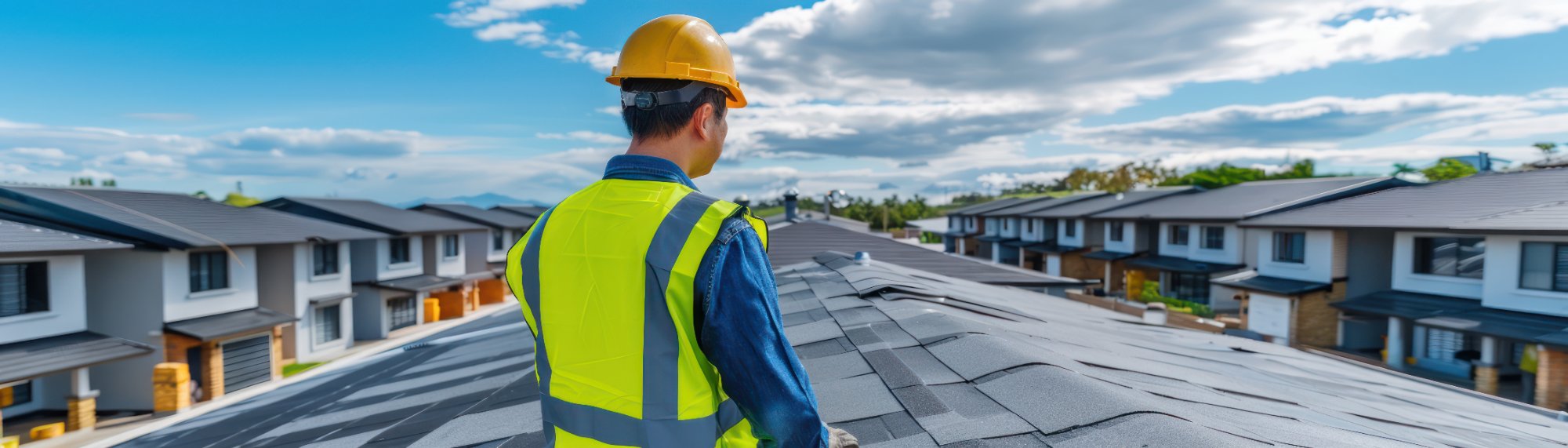
Reading Roof Surveys provide thorough, independent roof inspections across this major Berkshire town and its surrounding suburbs. Our certified surveyors combine drone aerial photography with thermal imaging to deliver precise assessments of every roof type found within this sprawling Thames Valley settlement — from the tightly packed Victorian terraces of Katesgrove, Newtown, and the streets radiating south from the station, through the handsome Edwardian villas of Caversham and the tree-lined avenues of Redlands, to the expansive 1930s suburbs of Tilehurst and Earley, the post-war council estates of Whitley and Southcote, and the modern developments that continue to reshape Reading's skyline along the Kennet riverfront.
Fast, independent roof surveys from local experts.
Reading's role as a railway town since the 1840s drove wave after wave of residential construction, and the evidence sits on every roofline. The original Victorian expansion produced thousands of slate-roofed terraces south of the station and along the Oxford Road corridor. Edwardian builders added generous bay-fronted villas across Caversham and Redlands. The interwar period pushed housing westward into Tilehurst and eastward into Earley, while post-war planners filled the gaps with concrete-tiled estates in Whitley and Southcote. Reading Roof Surveys understand every generation of this housing and the specific inspection approach each one demands.
Whether you are purchasing a property in Reading, tracing the source of a persistent leak, gathering evidence after storm damage, or seeking an honest assessment of an ageing roof before committing to expensive repairs, our surveys deliver the documented evidence you need to make informed decisions with confidence.
Reading Roof Surveys were established on a straightforward principle: that property owners across this town deserve access to honest, technically rigorous roof assessments before making decisions that could cost thousands of pounds. Too many Reading homeowners have committed to unnecessary repairs on the word of contractors with a financial interest in the outcome, and too many buyers have exchanged contracts only to discover damage that a detailed inspection would have caught. We exist to close that gap between guesswork and genuine understanding.
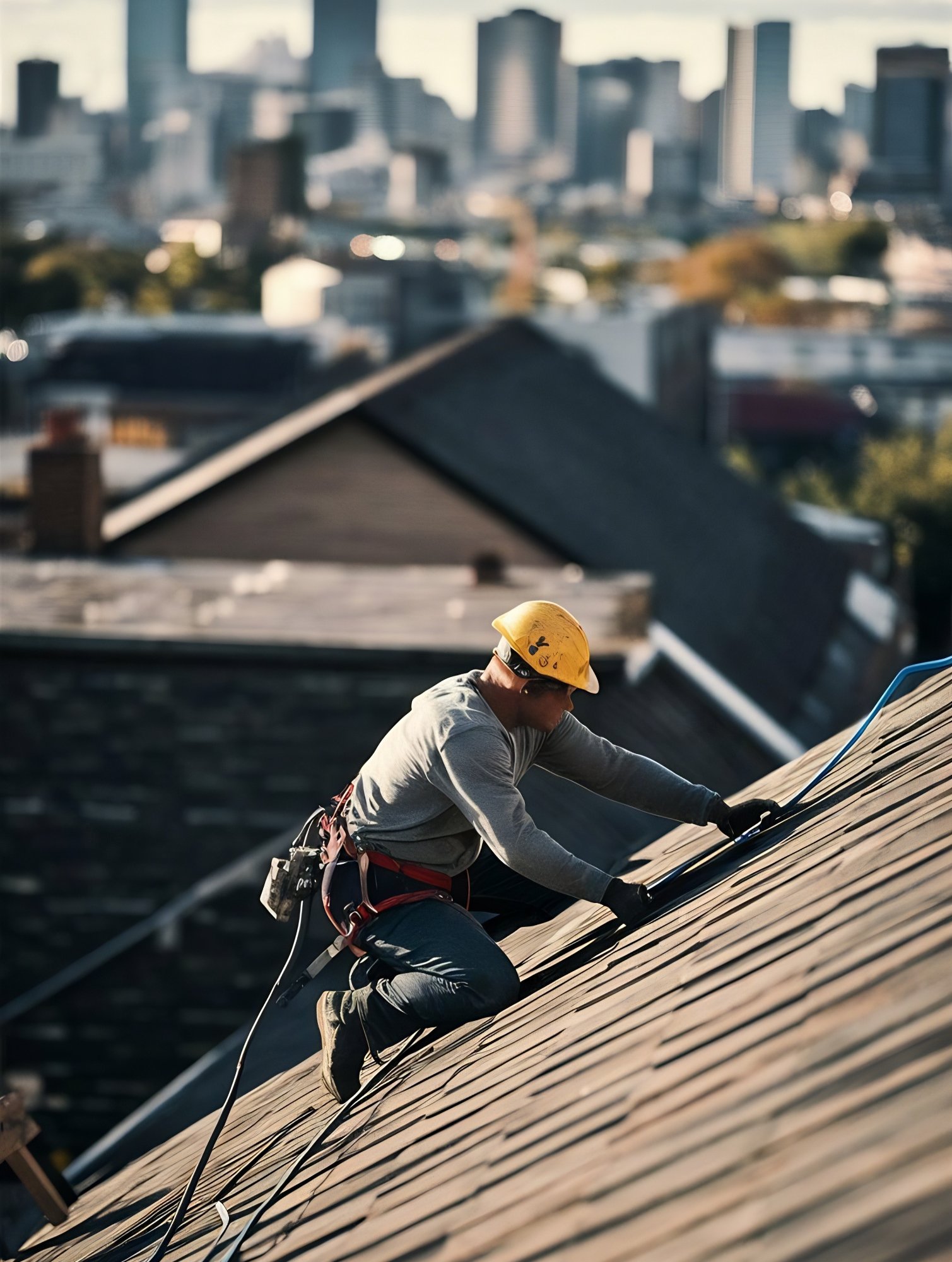
Every inspection begins with a full perimeter walk at ground level, assessing rainwater goods, fascia boards, soffits, and visible defects from below. Our DJI Enterprise drone then captures high-resolution photography of every elevation, ridge, valley, hip, and chimney stack — reaching vantage points that scaffolding cannot practically achieve on Reading's taller Victorian terraces and the complex multi-pitch rooflines found across Caversham Heights. Where thermal imaging is included in the survey tier, our FLIR cameras map moisture patterns hidden beneath tiles, within flashings, and inside the roof structure itself.
Reading's housing stock is unusually diverse for a single town. A three-storey Victorian terrace in Katesgrove bears no resemblance in roof construction to a 1930s detached on the Tilehurst ridge, and neither shares much in common with the flat-roofed system topping a converted warehouse on the Kennet waterfront. Reading Roof Surveys work across every era and material because the town's building history demands precisely that breadth of expertise.
Independence sits at the core of what we do. Reading Roof Surveys do not undertake roof repairs and hold no commercial interest in the conclusions of any inspection. When we confirm a roof is performing well, that finding carries genuine weight. When we identify a defect, the costings in our report reflect current local trade rates for the labour and materials involved — not figures inflated to create urgency or pressure a hasty decision.
Nearby Areas with Similar Properties: The roofing challenges we encounter across Reading are mirrored in the surrounding Berkshire towns. Homeowners in Wokingham and Woodley face comparable issues with ageing tile coverings, lead flashing deterioration, and post-war concrete tile fatigue. See our area-specific guides for detailed information about your location.
Reading Roof Surveys are not roofers, builders, or contractors. We provide independent inspection and reporting only — ensuring every assessment is free from commercial bias.
Reading Roof Surveys are ready to inspect your property. Whether it is a Victorian terrace near the station, an Edwardian villa in Caversham, a 1930s semi in Tilehurst, or a modern build along the Kennet, our team delivers the answers you need.
What Reading Roof Surveys bring to homeowners, buyers, and landlords across the town
Reading presents a roofing landscape where conventional access methods frequently fall short. The three-storey Victorian terraces south of the station have rear yards too narrow for safe scaffolding, while the sprawling detached properties across Caversham Heights carry multi-pitch rooflines with valleys and dormers that ladders cannot reach. Our DJI Enterprise drone captures every ridge, hip, valley, flashing, and chimney stack in high-definition detail — documenting defects that remain invisible from ground level and inaccessible by traditional means.
The Thames Valley's elevated humidity means moisture finds its way into Reading's roof structures more readily than in drier climates. Welsh slate coverings on Victorian terraces and plain clay tiles on Edwardian homes can conceal leaks for months before visible staining appears on ceilings below. Our FLIR thermal cameras detect the temperature differentials caused by trapped moisture beneath tiles, behind lead flashings, and within timber roof structures — exposing problems long before they become obvious to the eye.
Every Reading Roof Surveys report is built to serve a practical purpose. Annotated with high-resolution drone photographs, thermal overlays where applicable, and itemised repair costings at current local trade rates, the document is designed to be handed directly to a solicitor during a conveyancing process, submitted to an insurer as supporting evidence for a claim, or passed to a roofing contractor as a precise brief for the work required. Our reports convert complexity into clarity.
Reading Roof Surveys hold full professional indemnity and public liability insurance. Our surveyors carry recognised industry certifications and CAA-approved drone pilot licences. Every inspection follows a standardised methodology refined across thousands of Berkshire properties, ensuring consistency regardless of whether we are assessing a listed building in the town centre or a modern apartment complex beside the Oracle.
Reading is a town of contrasts on the roofline. Walk south from the station and you pass through streets of Welsh slate-roofed Victorian terraces with shared party wall flashings, rear outrigger extensions, and chimney stacks serving back-to-back flues. Cross the Thames into Caversham and the character shifts to Edwardian detached villas with handmade clay tiles, decorative ridge work, and bay window lead detailing. Head west to Tilehurst and the 1930s suburbs present plain clay tiles on steep pitches with hipped ends and integral garages. The post-war estates of Whitley and Southcote add another layer entirely — concrete interlocking tiles, flat-roofed rear additions, and ridge mortar that has long since passed its serviceable life.
Reading Roof Surveys have earned the trust of property owners across every one of these neighbourhoods because we adjust our inspection to match what we find. There is no generic checklist — every survey is tailored to the specific age, construction method, and materials of the roof in front of us. That is the difference between a report that tells you something actionable and one that merely confirms the presence of a roof overhead.
From the slate terraces of Katesgrove to the tiled semis of Tilehurst, Reading Roof Surveys understand this town's roofscape in every detail.
How Reading Roof Surveys have helped local homeowners and property buyers
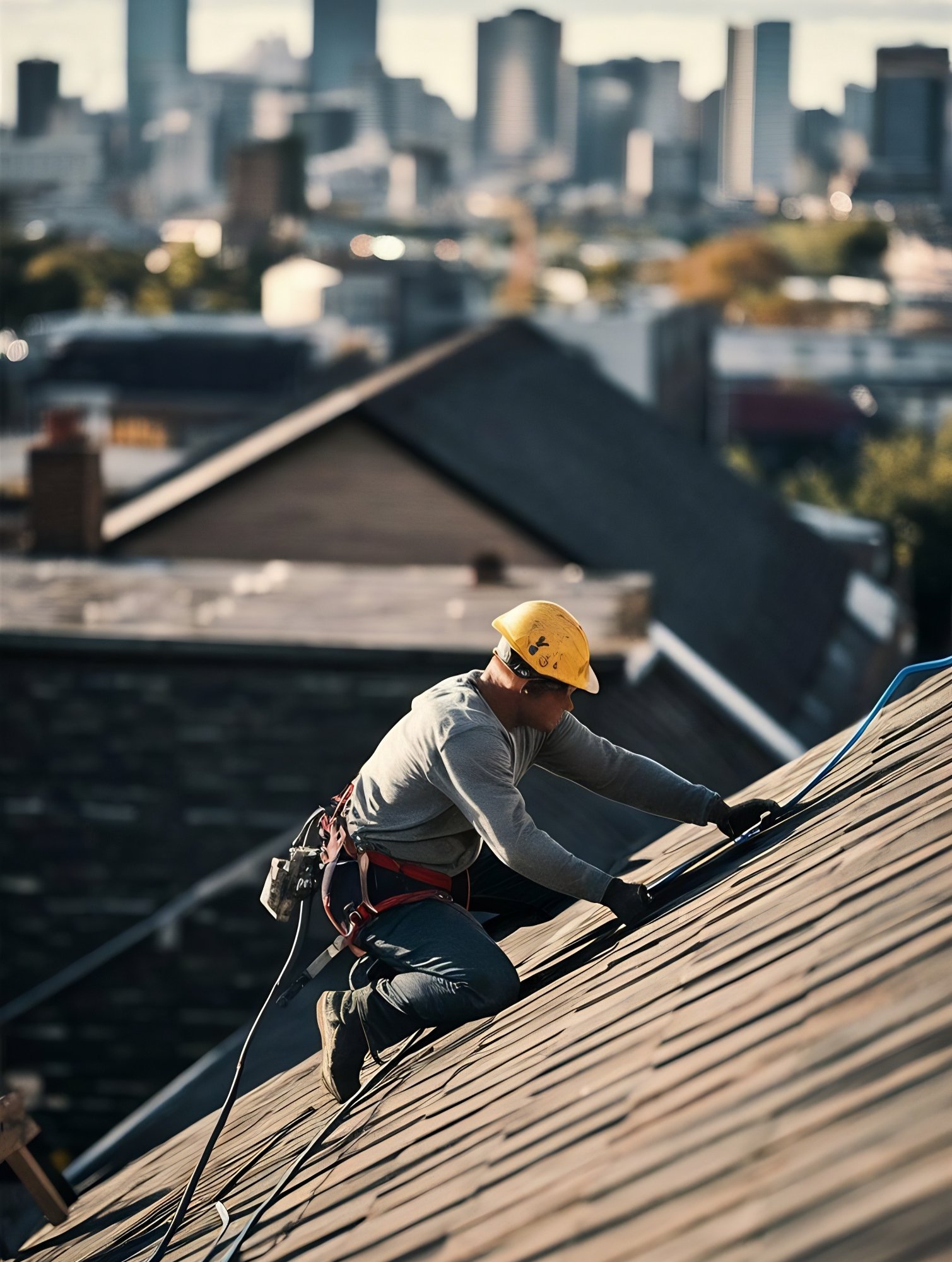
A first-time buyer had offered on a three-bedroom Victorian end-of-terrace close to the Kennet towpath. The homebuyer report rated the roof as satisfactory with a general comment about minor pointing wear. With the asking price at over four hundred thousand pounds and the property requiring a substantial mortgage, the buyer wanted an independent roof assessment before committing to exchange.
Our drone inspection revealed that the stepped lead flashing along the exposed party wall gable had separated from the brickwork across a two-metre section. Thermal imaging confirmed active moisture tracking down the internal face of the wall and into the roof timbers at the junction. We also documented five displaced Welsh slates on the rear outrigger extension and a blocked hopper head causing rainwater to overflow against the brickwork.
Reading Roof Surveys costed the remedial work at approximately six thousand three hundred pounds. Armed with our report, the buyer's solicitor negotiated a price reduction matching the full repair estimate. The lead flashing was re-dressed and the slates replaced within a month of completion, preventing what would have become significant damp penetration over the following winter.
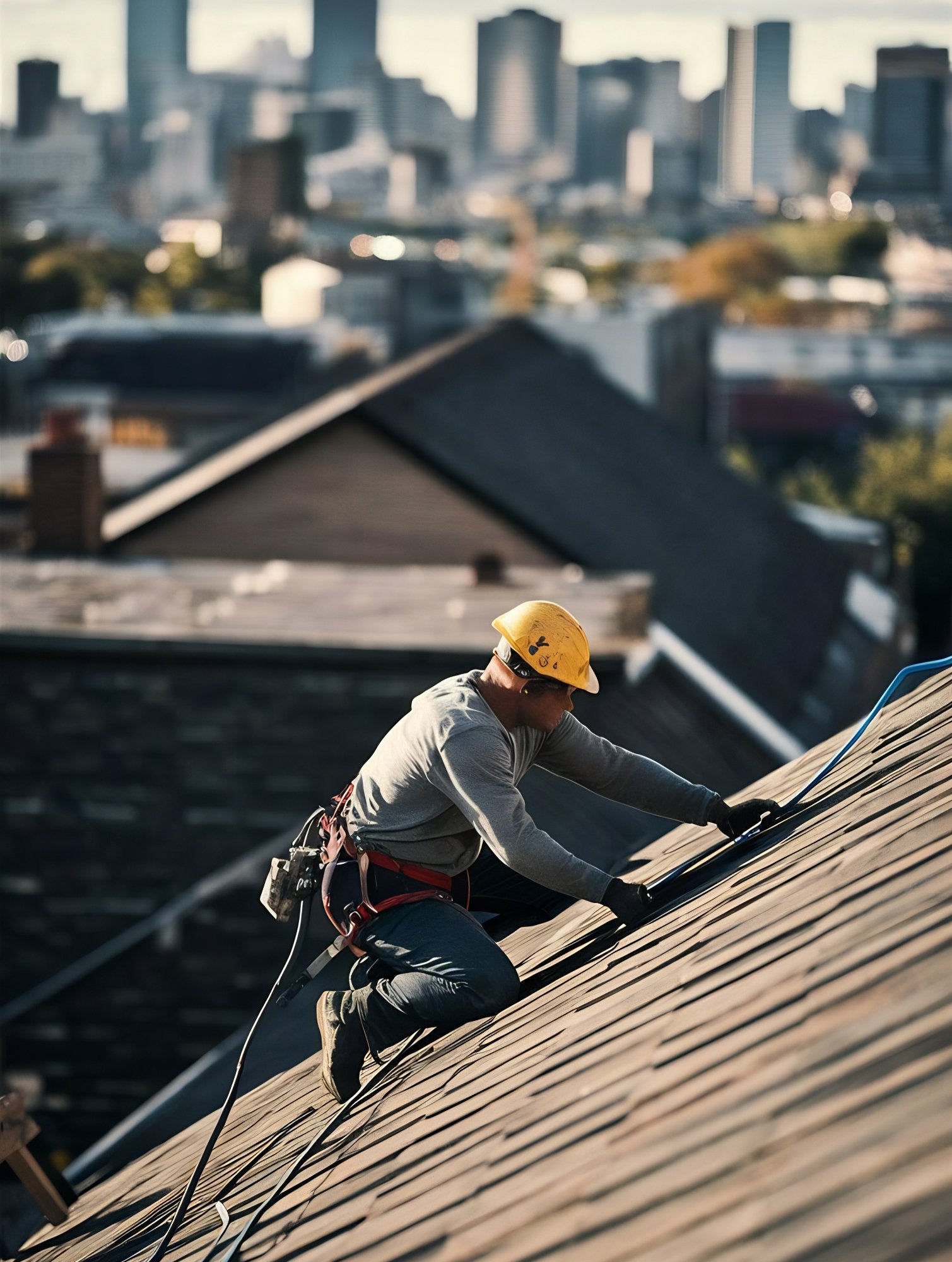
Following a night of severe wind in autumn 2024, the owner of an Edwardian detached villa on Caversham Heights discovered water entering through the landing ceiling. Their insurer dispatched a loss adjuster who attributed the leak to long-term wear rather than storm damage and declined the claim. Frustrated by what they felt was an unfair decision, the homeowner commissioned Reading Roof Surveys for an independent view.
Our drone documented seven freshly displaced handmade clay tiles on the south-west elevation — the face exposed to the recorded wind direction during the storm. The fracture patterns showed clean breaks with no weathering on the exposed edges, consistent with sudden mechanical force rather than gradual deterioration. Thermal imaging mapped a precise moisture trail from the displaced tiles through the rafter bay to the landing ceiling directly below.
The Reading Roof Surveys report — complete with timestamped drone photography and annotated thermal overlays — was submitted as a formal dispute to the insurer. The claim was reassessed and approved in full within four weeks. Total repair costs of five thousand eight hundred pounds were covered under the existing policy. Our documented evidence was the decisive factor in reversing the original rejection.
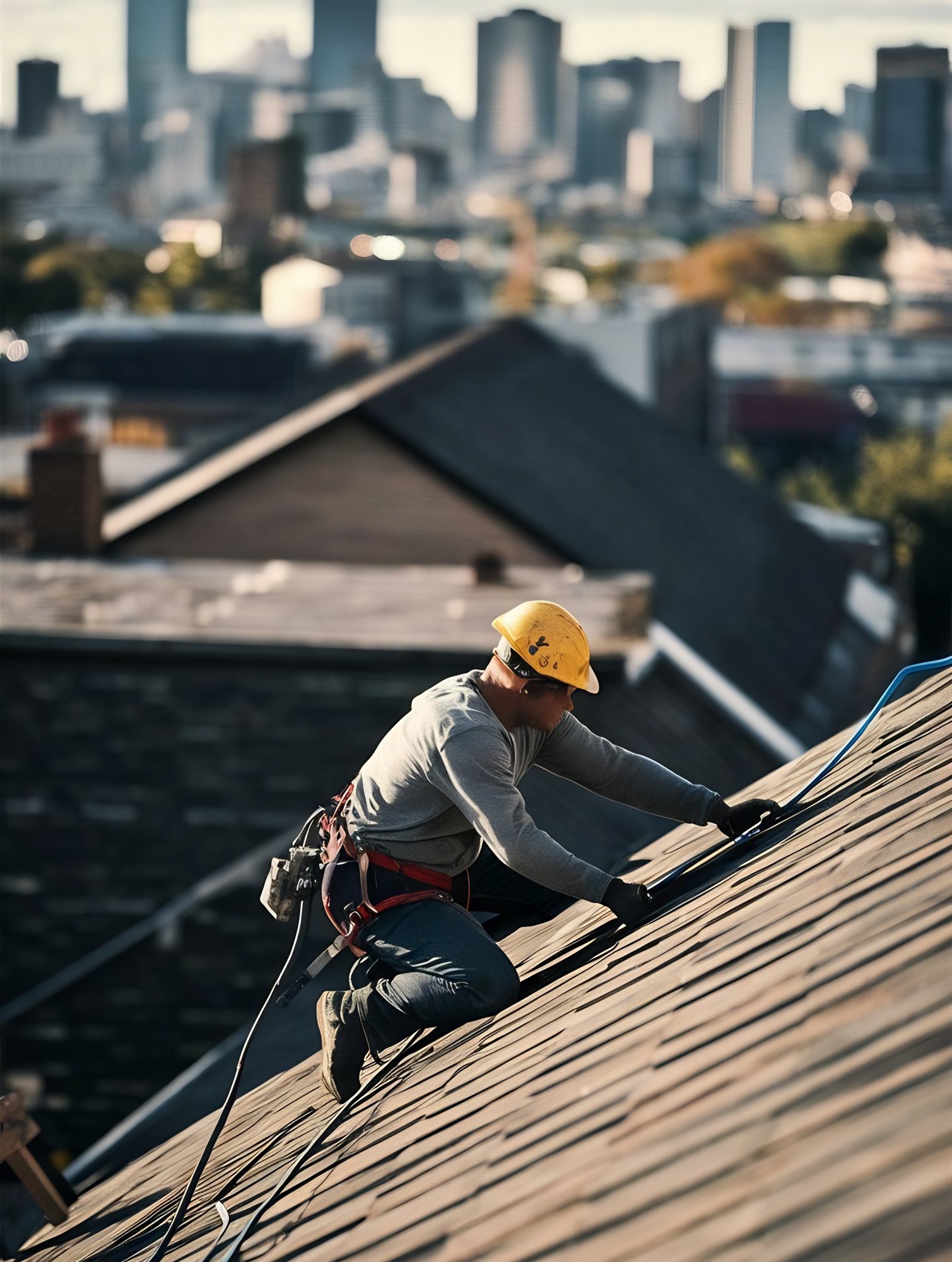
A couple living in a 1930s semi on the Tilehurst ridge had battled a recurring damp patch above the rear bedroom bay window for over two years. Three roofing contractors had each offered a different diagnosis — failed tiles, blocked gutter, cracked render — and two separate repairs had failed to resolve the problem. They turned to Reading Roof Surveys as a last resort before resorting to a full strip and re-tile at significant expense.
Our thermal scan identified a concentrated cold spot at the junction where the bay window roof met the main house wall — a location none of the previous contractors had examined closely. The drone confirmed that the lead apron flashing at this junction had cracked along its fold line, allowing wind-driven rain to penetrate behind the tile course above. The damage was invisible from ground level and could only be identified by combining aerial imagery with thermal data.
The lead apron was replaced at a cost of approximately eight hundred and fifty pounds — a fraction of the fourteen thousand pound re-roof that had been quoted. The damp patch dried out completely within six weeks and has not returned. The Reading Roof Surveys report saved the homeowners over thirteen thousand pounds in unnecessary work and finally resolved a problem that had caused two years of frustration.
A buy-to-let investor was acquiring a 1960s ex-council semi in Whitley at auction. The legal pack contained no building survey and the property had been tenanted for over a decade. With only limited access prior to auction day, the investor commissioned Reading Roof Surveys for a pre-purchase roof assessment to understand what they would be committing to above the roofline.
Our inspection revealed widespread concrete tile delamination across both roof slopes, with surface spalling exposing the aggregate beneath on more than forty percent of the visible tiles. The ridge mortar had eroded to the point where several ridge tiles were loose and could be rocked by hand. Most critically, the flat roof over the rear kitchen extension had ponding water trapped beneath a failing felt membrane, and thermal imaging confirmed moisture saturation in the decking boards below.
Reading Roof Surveys estimated total remediation — pitched roof re-tile and flat roof replacement — at approximately sixteen thousand five hundred pounds. Armed with this figure, the investor adjusted their maximum bid accordingly and secured the property at a price that accounted for the roof works. Without the survey, they would have faced an unexpected five-figure bill within months of completion.
Need a professional roof survey for your Reading property? Get in touch with Reading Roof Surveys today for a free consultation.
Feedback from homeowners and buyers who have used Reading Roof Surveys
"We were buying a Victorian end-of-terrace in Katesgrove and the homebuyer survey barely glanced at the roof. Reading Roof Surveys found cracked lead flashings along the party wall and displaced slates on the rear extension that were channelling water behind the gutter. The repair estimate gave our solicitor the leverage to negotiate nearly six thousand off the asking price. Brilliant service from start to finish."
"A damp patch above the back bedroom had defeated three different roofers over two years. Reading Roof Surveys used thermal imaging and found a cracked lead apron behind the chimney stack that nobody else had even looked at. Eight hundred and fifty pounds to fix, and the damp vanished completely. I only wish we had called them two years and several thousand pounds earlier."
"A roofing firm wanted nineteen thousand to strip and re-tile our Caversham detached. Reading Roof Surveys demonstrated that only the rear north-facing slope needed attention — the front and sides were solid. Saved us over ten thousand pounds, provided a proper maintenance plan going forward, and we trust their assessment completely. Genuinely independent and genuinely helpful."
Transparent pricing from Reading Roof Surveys — choose the inspection level that suits your property and your needs
Reading Roof Surveys offer three tiers of inspection to suit different property types, budgets, and levels of concern. Every survey is carried out by the same certified team using the same professional methodology — the distinction lies in the depth of investigation and the technology deployed. Whether you own a compact terraced house near the station or a sprawling detached villa overlooking the Thames in Caversham, there is a package designed for your situation.
Essential visual roof assessment for Reading homeowners needing a clear overview of their roof's current condition
Full drone and thermal imaging inspection — the most requested package for Reading buyers and homeowners
Complete structural roof assessment for Reading's larger detached homes, period properties, and commercial premises
Common situations where Reading Roof Surveys provide essential clarity
Standard homebuyer surveys rarely provide adequate detail about roof condition. In a town where Victorian terraces, Edwardian villas, and post-war semis each carry distinct roofing risks, a dedicated roof survey gives you the evidence to negotiate confidently or walk away before it is too late. Reading Roof Surveys have saved buyers thousands through pre-purchase inspections across every Reading postcode.
The Thames Valley funnels weather systems through Reading with force, and exposed elevations across Caversham Heights, the Tilehurst ridge, and Whitley take the brunt. After high winds or heavy rainfall, our drone and thermal inspection provides the timestamped, documented evidence that insurance companies require to process claims — and that loss adjusters cannot easily dismiss.
Water entering a building does not always appear directly below the point of failure — it can track along rafters, run behind flashings, and emerge rooms away from the actual defect. Reading Roof Surveys use thermal imaging to trace moisture paths back to their source, eliminating the guesswork that leads to expensive trial-and-error repairs. We identify the cause, not just the symptom.
If a roofing contractor has quoted for significant work, an independent assessment from Reading Roof Surveys confirms whether the scope is justified. We regularly find that partial repairs are sufficient where a full strip and re-roof has been recommended — saving Reading homeowners thousands of pounds on work their roof does not yet require.
Common questions answered by Reading Roof Surveys
Reading Roof Surveys cover the entire town and its surrounding suburbs. Our regular inspection areas include Reading town centre, the Victorian streets of Katesgrove and Newtown, the Redlands conservation area, Caversham and Caversham Heights north of the Thames, Tilehurst and Southcote to the west, Earley and Woodley to the east, Whitley and Whitley Wood to the south, and Emmer Green and Caversham Park to the north. We also attend properties in Purley-on-Thames, Calcot, and Theale.
Most inspections of a standard Reading property take between ninety minutes and two and a half hours on site. The larger Edwardian villas across Caversham Heights — with their multiple chimney stacks, complex valley arrangements, and steep hipped rooflines — generally require the longest on-site time. Compact Victorian terraces in Katesgrove and the post-war semis of Whitley are typically assessed more quickly. Every client receives their full written report within forty-eight hours of the visit.
Victorian terraces form a considerable portion of our Reading workload. The streets south of the station — through Katesgrove, Newtown, and the roads between the Oxford Road and London Road corridors — contain thousands of two-storey and three-storey terraces with Welsh slate coverings, shared party wall flashings, rear outrigger extensions, and chimney stacks serving multiple flues. Our drone technology is particularly effective on these properties where rear access is restricted by narrow yards and adjacent buildings make conventional ladder or scaffold access impractical.
Every comprehensive and premium report from Reading Roof Surveys includes timestamped drone photography, thermal scan overlays, detailed damage narratives, and itemised repair costings at current local trade rates. Insurance providers require documented evidence rather than verbal descriptions when assessing claims, and our reports are formatted to satisfy precisely those requirements. We have supported numerous successful claims across Reading — including storm damage disputes where initial rejections were overturned on the strength of our evidence.
Reading sits at the confluence of the Thames and the Kennet, and the valley setting creates elevated humidity levels that accelerate the deterioration of roofing materials. The most frequent issues we encounter include slipped and cracked Welsh slates on Victorian terraces in Katesgrove and Newtown, perished lead flashings around chimney stacks on interwar housing in Tilehurst, cracked plain clay tiles on Edwardian properties in Caversham, widespread concrete tile delamination and ridge mortar erosion on the 1950s and 1960s estates of Whitley and Southcote, and flat roof membrane failures on the rear kitchen and bathroom extensions found across almost every era of Reading housing.
Commercial and industrial inspections form a substantial element of our Reading schedule. We survey office buildings in the town centre and the Green Park business campus, retail units along Broad Street and the surrounding shopping areas, warehouse and light industrial premises along the Basingstoke Road and on the Richfield Avenue trading estates, school buildings, university facilities, and the growing number of converted commercial properties along the Kennet waterfront. All flat roof systems including felt, GRP, EPDM, and single-ply membranes fall within our scope.
Have another question? Contact Reading Roof Surveys directly.
Understanding the property landscape that shapes our Reading roof inspections
Reading's transformation from a medieval market town into one of southern England's largest urban centres was driven by two forces: the Great Western Railway, which arrived in 1840 and triggered rapid Victorian expansion, and the subsequent growth of industries — biscuits, beer, and bulbs — that drew workers and created demand for housing at every price point. The architectural legacy of that growth is written across the town's rooflines.
The Victorian terraces south of the station — built in their thousands between the 1850s and 1890s to house railway and factory workers — carry Welsh slate roofs with relatively shallow pitches, shared party wall flashings, and rear outrigger extensions that create awkward roof junctions prone to failure. The Edwardian period brought a different style entirely: generous bay-fronted villas in Caversham and Redlands with steeply pitched roofs of handmade clay tiles, decorative ridge work, and lead detailing around dormers and bay windows.
Between the wars, Reading pushed its boundaries westward into Tilehurst and eastward into Earley. These suburbs produced solid semi-detached homes with plain clay tile roofs on hipped frames — attractive and durable, but now approaching a century old and showing the lead flashing degradation, tile slippage, and mortar erosion that come with age. The post-war decades added concrete-tiled council estates in Whitley, Southcote, and parts of Woodley, where the original tile coverings are now well past their design life.
Reading Roof Surveys navigate this entire timeline. Each era brought different materials, different construction methods, and different failure modes. A surveyor who understands Reading's building history delivers a fundamentally more useful inspection than one applying a generic approach.
Reading Roof Surveys provide professional roof inspections across the town and wider Berkshire area
The core of Reading south of the station contains dense rows of Victorian terraces — two-storey and three-storey houses with Welsh slate coverings, shared party wall flashings, rear outrigger extensions, and chimney stacks in various states of repair. Newer apartment conversions and purpose-built blocks add flat roof systems to the mix.
North of the Thames, Caversham's tree-lined streets contain Edwardian detached villas and substantial interwar homes with handmade clay tile roofs, decorative ridge work, lead valley gutters, and multiple chimney stacks. The elevated position of Caversham Heights exposes roofs to wind from across the valley.
West Reading's suburban belt features 1920s and 1930s semi-detached homes with plain clay tiles on hipped roofs, bay window lead work, and integral garages. Southcote adds post-war housing with concrete tiles and flat-roofed rear extensions that require regular assessment.
East and south Reading encompass interwar semis in Earley, a mix of housing eras in Woodley, and the post-war estates of Whitley where concrete tile fatigue, ridge mortar erosion, and ageing flat roof extensions are widespread concerns for homeowners and landlords alike.
Reading Roof Surveys operate across the wider Berkshire area and into the neighbouring districts. We regularly attend properties in the surrounding towns that share similar housing stock and roofing challenges with Reading itself.
Reading Roof Surveys deliver the independent, professional roof inspections that this major Berkshire town demands. Whether you are a first-time buyer anxious about a Victorian terrace roof in Katesgrove, a homeowner tracing a persistent leak across the ceiling of your Tilehurst semi, a landlord assessing a portfolio property in Whitley, or a commercial property manager responsible for a town centre office block, our surveys provide the hard evidence you need to act with confidence.
Every inspection combines certified expertise with advanced technology — drone aerial photography, thermal imaging, and detailed written reporting — to give you a complete, unbiased picture of your roof's condition. We do not carry out repairs. We do not recommend contractors. We provide the facts, the photographs, and the costings, and you make the decisions.
Every report is independent, detailed, and written to be acted upon — whether you are buying, selling, claiming, or simply protecting your property.
Call us today or complete the form below to arrange your Reading roof survey.
Contact Reading Roof Surveys today to arrange your roof inspection
Monday - Friday: 7:30 AM - 9:30 PM
Saturday: 7:30 AM - 7:00 PM
Sunday: 9:00 AM - 5:00 PM
For urgent roof inspection needs in Reading, please call Reading Roof Surveys directly.
Call Now