
Oxfordshire · London and the South East
New roof snagging in Fewcott, Oxfordshire
New roof snagging across Fewcott, backed by more than 20 years’ experience. You get a clear report with photos.
- Untidy or loose verge details
- Offcuts and broken tiles left behind
- Cracked lower roofs or marked walls after the work
Do you need new roof snagging in Fewcott?
Many people book because something does not look right. Others want an independent check as a matter of course before signing off the job.
We are often asked to look at:
- Gutters blocked by building debris
- Broken coverings left on a new roof
- Gaps at new flashings
- Gutters or fascias damaged during the job
If you own a rental within reach of Bicester North station, the roof is worth checking before you add another property to a portfolio or pay a roofer in full.
Before booking anyone
- Whether the loft space is looked at, where there is one
- Their report turnaround times
- What happens after the report arrives
- What they won’t be able to tell you
New roof snagging in Fewcott: what you get
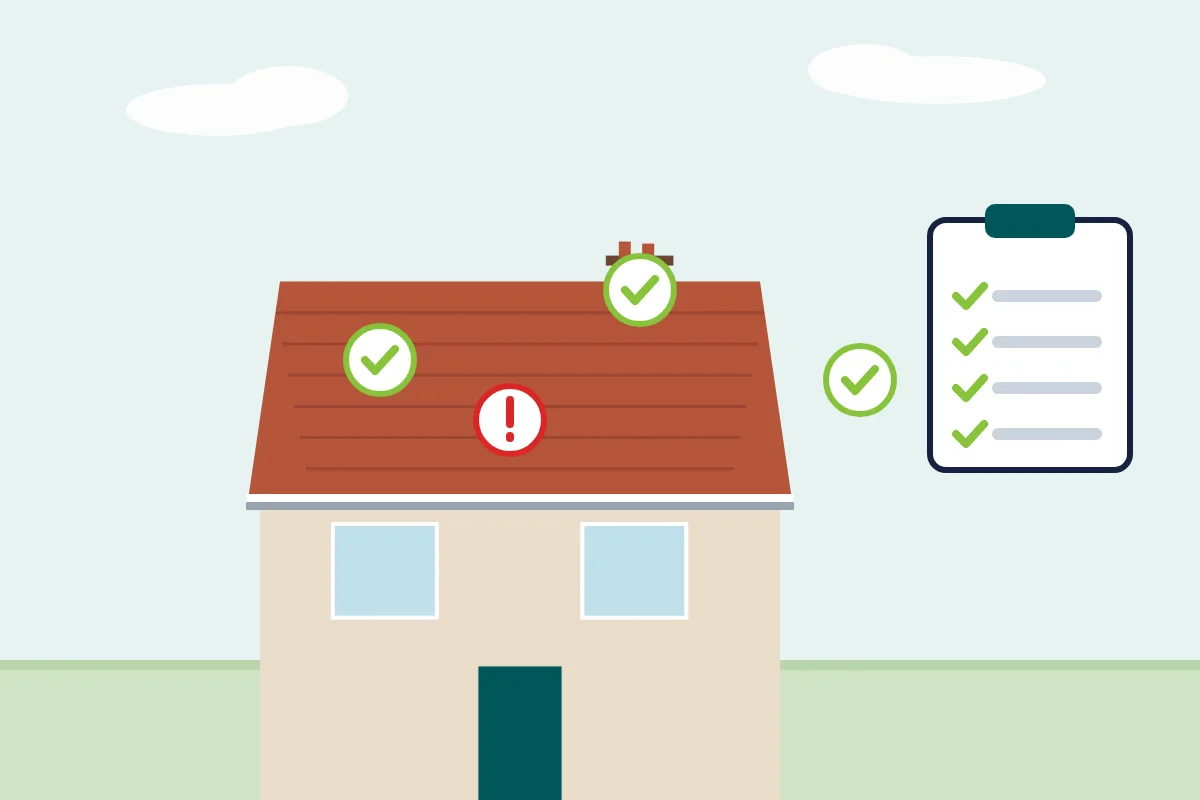
Snagging means finding the small faults and loose ends left at the end of a job. On a roof, snags are often at the edges and junctions where the work is most fiddly. We check everything we can see safely and photograph each snag. Loose ridges, untidy verges, badly dressed flashings and leftover debris are typical snags. We survey loft conversions and dormers, ridges and verges and flashings and valleys, and the problems we are asked to look at most are underlay at the eaves left exposed and vents that weren’t fitted or are covered.
Somewhere as small as Fewcott, older cottages, farmhouses and converted buildings frequently sit beside a few newer homes. Older roofs there may have clay tiles, slate, stone or, in some places, thatch. Each covering has its own weak points, whether the roof is old or newly laid. Older roofs may also have old felt underlay or none, and fixings that have done a long stint.
You receive the findings by email, easy to pass on to a roofer, an agent or an insurer. Turnaround is within 48 hours for Basic, 24–48 hours for Standard and same day for Premium.
- Location
- Fewcott (OX27)
- Wider area
- Oxfordshire
- Cost
- From £150 inc. VAT
- Your report
- Emailed report with photos and recommendations
- Appointments
- Monday to Sunday, daytime
- Cover
- PI and public liability insurance
- Phone
- 07833 053749
- Updated
- 27 October 2026
Nearby places to Fewcott
Also in Fewcott
Fewcott homes and their roofs
Older buildings in west Oxfordshire frequently have Cotswold stone slate roofs, and some Oxfordshire villages still have thatch. Slate and clay tile are the usual coverings on older South East houses, with concrete tiles on many later estates. Each material has its own typical faults, which is what a buyer or the owner of a new roof needs to know about. There are about 500,000 buildings on England’s list of listed buildings, and around 10,000 conservation areas. If your home is listed, changes that affect its special interest need listed building consent, and in a conservation area re-roofing in different materials may need permission, so the council is the place to ask.
Take an older house close to Church of St Mary: ask the seller about past roof repairs, because older roofs often have patched valleys, replaced slates and reset ridges.
Fewcott is about 4 miles north-west of Bicester, in Oxfordshire. Fewcott is part of the area we cover and the surrounding area across London and South East England. Fewcott is one of the towns and villages in Oxfordshire we cover. For surveys nearby, see our Oxford page.
Here we cover the OX27 postcode area for new roof snagging. Streets in the area include Water Lane, Somerton Road and Ardley Road, and we cover them all. We also cover Ardley (1 mile south-east), Fritwell (1 mile north-west), Upper Heyford (2 miles south-west), Souldern (3 miles north-west) and Middleton Stoney (3 miles south). Larger places within reach include Oxford (13 miles south), Banbury (10 miles north-west), Bicester (4 miles south-east), Kidlington (9 miles south), Headington Quarry (13 miles south) and Bure Park (3 miles south-east).
Landmarks near Fewcott
In Fewcott, that means homes and buildings near White Lion pub and the streets around them. The nearest railway station is Bicester North station, roughly 4 miles south-east. Other landmarks nearby include Bicester Community Hospital (4.2 miles south-east) and Ardley Castle (within half a mile south).
Fewcott: your questions answered
How do I find out if my home in Fewcott is listed?
The council and Historic England’s list are the places to check. Either can affect what roof work is allowed, so it is worth checking before planning any.
Do you cover smaller places like Fewcott?
We do. A small place gets exactly the same survey as a big one.
I live in a flat. Can you survey the roof?
Yes, if the freeholder or managing agent agrees access. On a shared roof we can only inspect the parts we are allowed to reach.
Can you tell me if my roof has asbestos?
No. We don’t sample or test for asbestos. The report may flag materials that could contain asbestos on buildings built or refurbished before 2000, with a recommendation to have a specialist asbestos surveyor check before it’s disturbed.
Can you inspect my roof with a drone?
Yes, where it’s applicable. Whether we can fly on the day depends on the weather and the airspace rules, and we check for restrictions near airports before flying. We hold a CAA Flyer ID and Operator ID.
How long does new roof snagging take?
A visit typically takes between one and two hours on an ordinary house, and more on a big or complicated roof. We’ll give you an idea when you book.
Does the weather affect the survey?
A survey can typically go ahead in light rain, and it can even help show where water is getting in. Heavy rain or strong wind can ground a drone and make the roof unsafe, so we’ll agree a new date if the weather is not suitable.
What we look for on each type of roof
Ridges, hips and verges
Ridges, hips and verges take the most weather. Bedding, dry-fix pieces and fixings are looked at where visible.
Flashings
Poorly finished flashings often show up on new roofs. We photograph any we find.
How it works
You don’t need to do much on the day. Show us any stains, drips or problem areas you know about, and we will take it from there. The survey itself takes about one to two hours for most homes, depending on how much new work there is to check. Cottages and farmhouses around Fewcott often have roofs at several levels, with lean-tos and outbuildings attached. We work round each section in turn, from the safest viewpoints.
- We ask what work was done and when it was finished.
- The new coverings, ridge, hips and verges are inspected where it is safe to see them.
- Valleys, flashings, gutters and the underlay at the eaves are looked at.
- Where it’s safe, we check the loft, then look for debris or damage left behind.
- You get a photo report listing the snags we found.
Before we arrive
- Buyers: confirm access with the estate agent or seller
- Move anything stored under the loft hatch
- For flats, make sure roof access has been agreed
Booking a survey
Our price is from £150, including VAT. What you pay depends on the roof’s size, access and the package, and you can phone 07833 053749 or drop us an email to find out.
Read more
Should I look at the roof myself first?
It helps to keep a record: when leaks happen, ground-level photos and any past roof work. Share it with us when booking and it will help the survey.
You can learn a lot from ground level. With binoculars, look for slipped or missing slates and tiles, gaps along the ridge and leaning chimneys. Please do not climb up for a closer look.
Useful tips for Fewcott property owners
Small things make a difference. Our tips:
- Book snagging before the final payment
- Watch for gutters overflowing in rain
- Watch for drips in the roof space with care
- Check lower roofs and walls after scaffolding comes down
You receive a report with photographs of each snag and recommendations, prioritised by urgency where relevant. Pass it on to your roofer or builder.
Don’t settle the final bill until the roof has been inspected, where your contract allows. It keeps the job open until it’s right.
For landlords and managing agents
Shared roofs need a little more planning: access has to be agreed with whoever owns or manages the building. Tell us about it when you book and we will plan the visit with that in mind.
With a portfolio of properties, you can book surveys for several addresses. To discuss a number of properties, ring 07833 053749 or drop us an email with the addresses.