
Oxfordshire · London and the South East
Storm damage roof report in Stubbles, Oxfordshire
Storm damage roof reports for homes and businesses in Stubbles. More than 5,000 surveys completed across London and South East England.
- Gutters pulled loose in the wind
- Damaged flat roof membrane
- Flashings pulled away from walls or stacks
Rented homes, blocks and businesses
Businesses and commercial landlords can book us too, from shops and offices to industrial units. Larger roofs take longer, and they’re priced for the size.
Where a roof is shared: we need access agreed with the freeholder or managing agent. Mention it when you get in touch and we’ll plan the survey around it.
Storm damage roof report in Stubbles: what you get
After a storm, it’s useful to have a clear record of what happened to your roof. We photograph the damage, describe it and note whether it fits storm damage, older wear or both. We are not loss adjusters and cannot tell you if your claim will succeed. What you get is an independent view of the roof’s condition. If you are worried about gutters pulled loose in the wind and loose or torn flashings, we can find out what’s behind it, whatever the roof.
Somewhere as small as Stubbles, older roofs have often been repaired many times. A new leak may be fresh damage or the latest sign of long-term wear, which matters if you are thinking of an insurance claim. The report says what was seen and what it points to. Older walls and timbers hold water for a long time, so it is worth finding the cause soon.
We keep jargon out of it: if work is needed, the report says so clearly, along with how urgent it is.
- Place
- Stubbles (RG8)
- Wider area
- Oxfordshire
- Cost
- From £150 inc. VAT
- Your report
- A written report with photos, by email
- Survey days
- Weekdays and weekends
- Insured
- PI and public liability insurance
- Phone
- 07833 053749
- Updated
- 27 October 2026
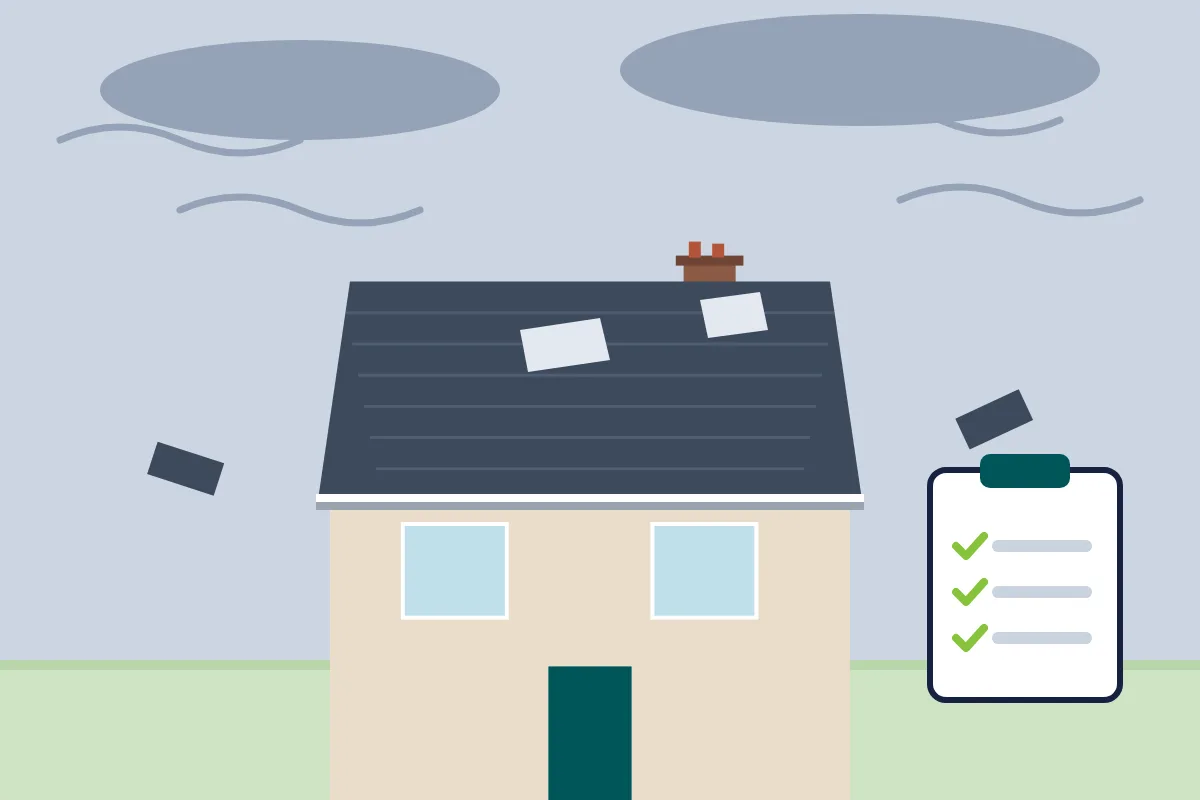
What we look for on each type of roof
Lead flashings
Flashings with older defects often fail in high winds. Our report separates fresh damage from older wear where we can.
Slate roofs
Natural slate can last 100 years or more, but the nails frequently fail first. The report records whether slipped slates look like storm damage or older wear.
Useful tips for Stubbles property owners
Here are a few things we’d tell any owner, before and after a survey:
- Note the date and time you first saw the damage
- Report the damage to your insurer as soon as you can
- Arrange temporary cover with a roofer if rain is getting in
- Photograph the damage safely from below
If you’re unhappy with how your insurer handles the claim, you can complain to them first. After that, you may be able to take it to the Financial Ombudsman Service.
Keep the roof in good order between storms. Have loose slates, tiles and flashings seen to promptly.
Also near Stubbles
More services for Stubbles
How the survey works
Every visit follows the same pattern: we listen to what’s been worrying you, look at the roof from every safe viewpoint, photograph what we find and record our findings for the written report. It typically takes about 1–2 hours at a typical home, though large, tall or awkward roofs take more time. Older rural homes like those around Stubbles can have a main roof, lower lean-to roofs and outbuildings all joined together. We work round each section in turn, from the safest viewpoints.
- First you give us the date of the storm and what you’ve noticed, inside and out.
- We view the roof from wherever it can safely be seen, including the loft where there’s access.
- We photograph and record every area of damage we can see.
- We note the likely cause, including any signs of wear that were there before the storm.
- We send you a written report with photos, ready to give to your insurer.
Before the survey
- Keep pets inside or away from the areas we’re looking at
- If the roof is shared, arrange access with whoever manages the building
- Make a note of anything you’d like us to look at
Booking a survey
We confirm the price for the job before you book, so you know the cost up front. Storm damage roof report starts from £150, including VAT. To book, call 07833 053749 or drop us an email.
Related advice
Stubbles roofs and the weather
Cotswold stone slates are found on older buildings in west Oxfordshire, and thatch survives in some of the county’s villages. Slate and clay tile are the usual coverings on older South East houses, with concrete tiles on many later estates. Each of these roof types has its own typical places for water to get in. About 2.5 miles north-east lies Basildon Park, a reminder of how long the area around Stubbles has been built on. Older roofs in the wider area can hide decades of patch repairs, so the detail matters.
The streets around a church such as Church of St Clement are frequently among the oldest in a place, and if yours is one of the older homes nearby, the leak may come from a chimney, a valley or tired lead rather than the covering itself. If you let a flat or house near Goring & Streatley station, a clear finding on where water gets in helps you brief a roofer straight away.
Stubbles is about 7 miles north-east of Thatcham, in Oxfordshire. Anywhere in Stubbles, we can come and survey your property. Our area takes in places right across Oxfordshire, large and small. Our Reading page covers surveys nearby.
Surveys in RG8 are booked the same way as anywhere else. Close by, we survey roofs in Ashampstead (1 mile north-west), Ashampstead Green (1 mile north-west), Upper Basildon (1 mile east), Burnt Hill (1 mile south) and New Town (2 miles east). Within a short drive, we also cover Didcot (9 miles north), Abingdon-on-Thames (14 miles north), Wantage (13 miles north-west), Henley-on-Thames (12 miles east), Grove (14 miles north-west) and Benson (10 miles north).
Local landmarks in Stubbles
For rail, the closest station is Goring & Streatley station, roughly 3.1 miles north-east of the centre. Well-known places in the area include Yattendon Castle (1.8 miles south-west). Green spaces nearby include Hartslock.
What a storm damage roof report doesn’t cover
Before you book, it’s worth knowing what a survey will not do:
- The work of a loss adjuster appointed by your insurer
- A decision on your insurance claim
- What’s beneath slates, tiles or membranes
If in doubt, call 07833 053749 or drop us an email and we will suggest the right survey before you book. The full list of what we check.
What this survey covers
- Chimney stacks
- Flat roofs
- Ridges and hips
- Slate and tile slopes
- Flashings
- Gutters and fascias
Checking the roof from the ground
Keep a simple record: when leaks happen, ground-level photos and any past roof work. Send it with your enquiry, as it helps us focus the survey.
The one thing to avoid is getting up close. Slates, tiles, flat roofs and rooflights can give way, and falls from height are serious. That’s where a survey comes in.
Stubbles: your questions answered
Do you cover smaller places like Stubbles?
Yes, Stubbles is covered. Our area covers London and the South East, and smaller places are part of that. The journey is planned ahead, so it’s useful to know about access.
Does a conservation area affect roof work in Stubbles?
We cannot confirm that for you, but Historic England’s list and your council can. A change of roofing material may need consent in either case.
Is it the same as a RICS Level 2 or Level 3 survey?
No. It’s a specialist roof survey, not a RICS Level 2 or Level 3 building survey. It focuses on the roof, so it sits alongside a building survey rather than replacing it.
Do you need to get into the loft?
Yes, where the survey calls for it and there is safe access. Inside, we look for damp, staining, gaps and sagging, as far as the space allows.
Can I check the roof after a storm?
Only from the ground or from windows. Never climb onto a roof after a storm. Binoculars can help you see damage from below and we’ll inspect the rest from safe positions.
Do you use drones?
Where it helps and it’s safe, yes. Flights depend on the weather on the day and airspace rules. We are a CAA-registered drone operator.
Can you tell me if my roof has asbestos?
No. We can flag materials that might contain asbestos, but confirming it is a job for a specialist asbestos surveyor. Buildings built or refurbished before 2000 may contain it.