
Hampshire · London and the South East
New roof snagging in Lower Green, Hampshire
New roof snagging in Lower Green, with over 20 years’ experience behind it. Every survey ends with a written report and photos.
- Gutters blocked by building debris
- Vents that weren’t fitted or are covered
- Untidy or loose verge details
Questions from Lower Green
Is Lower Green within the area you cover?
Yes, we do. We cover the whole of London and South East England, from towns to the smallest villages. The journey is planned ahead, so it helps to know about access.
Is my home in Lower Green listed or in a conservation area?
Your council is the best source, with Historic England’s list for listed buildings. Both listing and conservation areas can limit changes of roofing material, and councils can also use Article 4 directions.
Which parts of the roof does snagging cover?
We check the coverings, ridges, verges, hips, valleys and flashings plus gutters, ventilation and visible underlay at the eaves. We look for leftover debris and knock-on damage too.
Will you deal with my roofer if there is a problem?
No, we report on the roof and don’t take sides. Any dispute stays between you and your roofer or builder, and you may want legal advice for that.
How long does new roof snagging take?
For a house, expect about 1–2 hours on site, and longer for large or complex roofs.
Do you survey roofs on blocks of flats?
Yes, once whoever controls the roof agrees access. On a shared roof we can only inspect the parts we are allowed to reach, and the report makes that clear.
Is this a RICS survey?
No. Our survey is a roof survey, not a RICS Level 2 or Level 3 survey of the whole building. It focuses on the roof, so it sits alongside a building survey rather than replacing it.
How new roof snagging works in Lower Green
Snagging means finding the small faults and loose ends left at the end of a job. Roof snags frequently show at ridges, verges, valleys and flashings where the work is most fiddly. We check everything we can see safely and record what we find. Loose ridges, untidy verges, badly dressed flashings and leftover debris are typical snags. Typical surveys look at tiles or slates sitting out of line and damage to other parts of the building, on ridges and verges, replacement roofs and new-build homes.
Being in a small place like Lower Green makes no difference to the inspection itself: the journey, parking and access are simply agreed beforehand. Mention any outbuildings, barns or garages with roofs you’d like looked at when you book. Buyers and owners of new roofs get the same approach as anywhere. Visits can be booked on weekdays, Saturdays and Sundays.
We keep jargon out of it: where something needs attention, it says so plainly.
- Location
- Lower Green (GU33)
- Region
- Hampshire
- Cost
- From £150 inc. VAT
- Your report
- Emailed report with photos and recommendations
- Survey days
- Monday to Sunday, daytime
- Insured
- Professional indemnity and public liability
- Call
- 07833 053749
- Page updated
- 27 October 2026
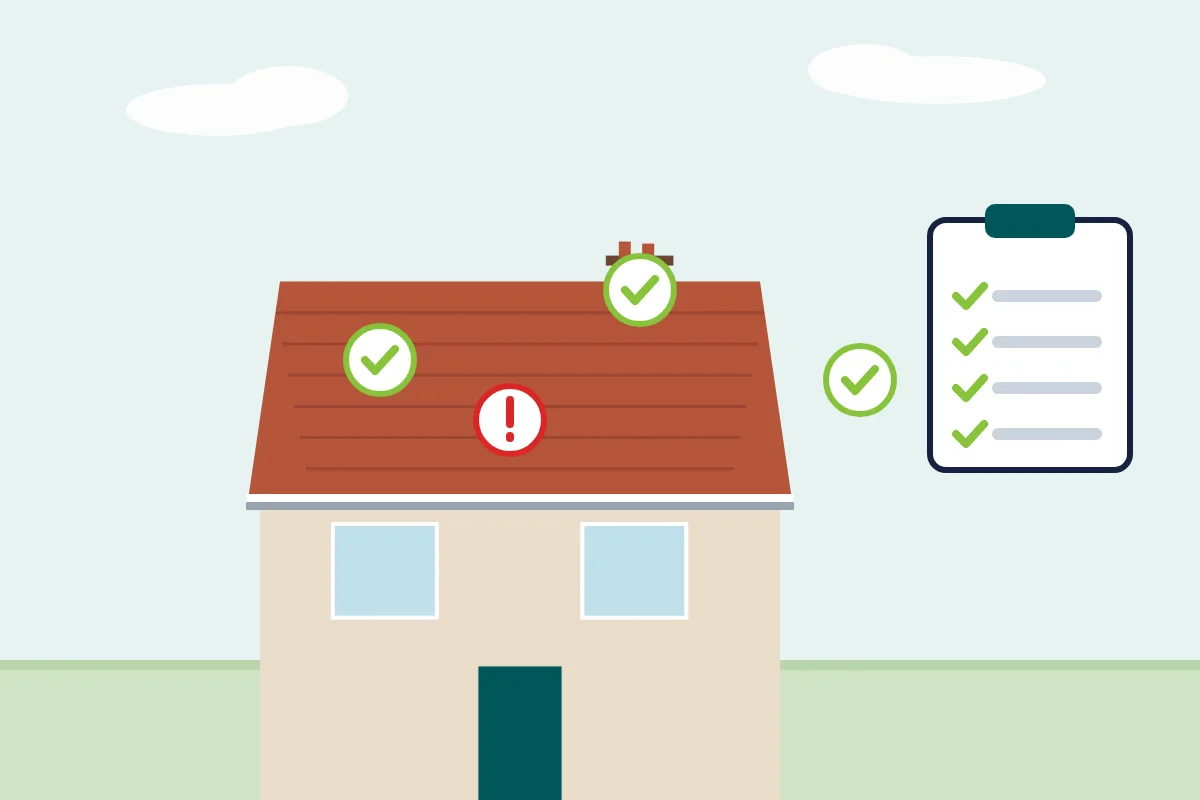
What we’re asked to look at in Lower Green
Vents can be left out, or insulation pushed against the eaves. Poor ventilation can lead to condensation in the loft.
Things that often lead to a survey include:
- Offcuts and broken tiles left behind
- Verge tiles or slates not secured
- Broken coverings left on a new roof
- Cracked mortar at the ridge or hips
Landlords with a home close to Liss station may find that it is worth knowing a roof’s condition before you buy it, or before you sign off new roofing work on it.
Before booking anyone
- Whether the inside of the roof is included
- Which limits apply to the survey
- Is VAT included in the price?
- What insurance they carry
Towns and villages near Lower Green
Also in Lower Green
How it works
Every roof is different, but as a rough guide the survey takes an hour or two for a typical new house roof, longer where the roof is large or complicated. If you have questions on the day, just ask. Older roofs in small places like Lower Green can have low, tight loft spaces, so it helps to know whether there is a loft hatch and how easy it is to reach. Only areas that can be reached safely are inspected.
- First, we note any deadlines and concerns.
- We inspect as far as safe access allows.
- We work through ridges, verges, valleys and flashings.
- Debris and damage to other parts are recorded.
- You receive a report to share with your roofer.
How to prepare
- Jot down any questions you want answered
- For flats, check roof access has been agreed
- Keep pets out of the way during the survey
Arrange a survey
Unsure which package suits your roof? It is easiest to call 07833 053749 or use the contact form and describe the roof and why you want it surveyed. We will talk you through the options and what they cost.
Advice
Different roofs, different checks
Valleys
Offcuts in a valley can hold water. Leftover debris is recorded.
Ridges, hips and verges
Verge details can be rushed, so we check them carefully.
Before and after the survey
A little preparation and a few simple habits help, both for the survey and for the roof itself. Our tips:
- Send the snagging report to your roofer
- Keep the contract and invoices together
- Arrange the inspection before settling the final bill
- Check before your warranty period ends
If anything in the report isn’t clear, ask us. With the Standard Survey there is a follow-up consultation and Premium an in-person consultation.
Keep an eye on the roof and ceilings in the first months. It’s simpler to raise problems soon after the job.
What we cannot see
A survey is a close look at the new roof, but it cannot do everything. The main limits are:
- Estimates of what fixes will cost
- A promise that the roof won’t leak
- Deciding who is at fault in a disagreement
Not sure which survey suits your roof? You can phone 07833 053749 or use the contact form and we’ll tell you before you book. What our survey covers.
Roof types and parts we check
- Loft conversions and dormers
- Replacement roofs
- Flashings and valleys
- Ridges and verges
- New flat roofs
- New-build homes
What new roof snagging looks like in Lower Green
Some Hampshire villages still have thatched roofs. Older houses in the South East often have slate or clay tile roofs, while many later estates have concrete tiles. Whether you are buying or checking new roofing work, knowing the materials helps make sense of what the inspection finds. An older home may be listed, or stand in a conservation area. To find out, check Historic England’s list and ask the council about conservation areas. Re-roofing in different materials may need permission there.
For an older house near a landmark such as Church of St Peter and St Paul, a survey will show how the roof has been repaired before, which helps you judge what’s coming.
Lower Green is about 4 miles north of Petersfield, in Hampshire. We provide new roof snagging for homes and businesses in Lower Green. Our area takes in places right across Hampshire, from the larger towns to small villages. You can also see our page for Portsmouth.
We work across the GU33 postcode area for new roof snagging. Close by, we survey roofs in Hawkley (1 mile south), Oakshott (1 mile south), Empshott (1 mile north-east), Steep Marsh (2 miles south) and Selborne (3 miles north). We also work in nearby towns such as Havant (14 miles south), Fleet (15 miles north), Horndean (11 miles south), Aldershot (15 miles north-east), Alton (6 miles north) and Waterlooville (13 miles south).
Local landmarks in Lower Green
In Lower Green, that means homes and buildings near Hawkley Inn. The closest station to Lower Green is Liss station, roughly 2.3 miles south-east. Well-known places in the area include The Romany Museum (2.3 miles north) and Petersfield Community Hospital (4.1 miles south). Not far away are Goleigh Hill and Liss Riverside Railway Walk North.
What happens if roof problems are left?
Phone photos from the garden can’t show much. We get as close a view as safe access allows using a drone where applicable. In a place like Lower Green, a barn or garage roof left to fail puts whatever is inside at risk. A quick look before winter can save a lot.
Larger roofs, taller buildings and commercial roofs take longer, so they’re priced to match. You will know the figure before booking.
What you get with us
- A sub-250g drone, flown with a CAA Flyer ID and Operator ID
- 98% customer satisfaction
- A written report with photos
- 5,000+ roofs surveyed
Take a look at what a roof survey costs and two real surveys.