
Essex · London and the South East
New roof snagging in Weeley, Essex
Checking a new or replacement roof for snags in Weeley, with drones and thermal imaging where they help. Get in touch for a price.
- Cracked lower roofs or marked walls after the work
- Verge tiles or slates not secured
- Cracked or slipped new tiles or slates
New roof snagging in Weeley: what you get
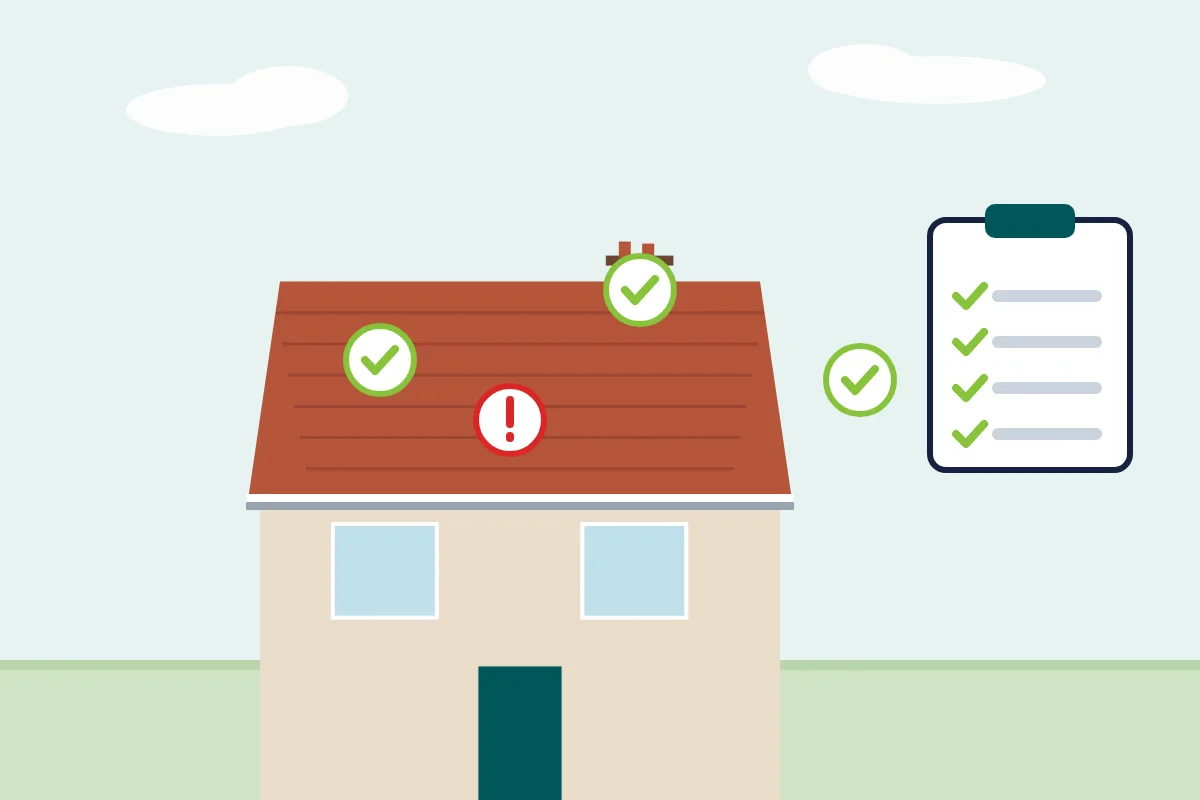
A new roof is a big spend, so it is worth having it checked before the final payment. We look for snags, faults and anything left unfinished on the new roof and around it. You get a written report with photos that you can pass to your roofer. We are independent of the roofer who did the job. Common reasons to book are loose flashings at walls or chimneys and underlay at the eaves left exposed, on ridges and verges, replacement roofs and new-build homes.
Some older homes in villages like Weeley are listed or sit in a conservation area. That can affect what materials a new roof may use, so check with the council and Historic England’s list. Whether you’re buying or signing off new roofing, it’s worth knowing where you stand, as well as what condition the roof is in. There are about 500,000 listed buildings and around 10,000 conservation areas in England.
The report does not just list problems. It explains what we found, why it matters and what we recommend, so you can decide what to do next.
- Place
- Weeley (CO16)
- Region
- Essex
- Prices
- From £150 inc. VAT
- Report
- Written, with photos, emailed to you
- Appointments
- Weekdays and weekends
- Cover
- PI and public liability insurance
- Call
- 07833 053749
- Updated
- 27 October 2026
Honest limits
No survey can tell you everything, and we’d rather be clear about that before you book. Keep these in mind:
- A promise that the roof will not leak
- Estimates of what fixes will cost
- Fixings and underlay hidden under the coverings
Not sure which survey suits your roof? You can phone 07833 053749 or email us and we will tell you before you book. The full list of what we check.
Roof types and parts we check
- Replacement roofs
- Ridges and verges
- Loft conversions and dormers
- New-build homes
- New flat roofs
- Flashings and valleys
Weeley questions
Do you cover smaller places like Weeley?
Yes, smaller places are covered as well as towns. We work right across London and the South East. Just mention lanes, gates or anything else about the route when booking.
Does a conservation area affect roof work in Weeley?
Start with Historic England’s list for listing and your council for conservation areas. Either can affect what roof work is allowed, so it’s worth checking before planning any.
How experienced are you?
Over 20 years and more than 5,000 surveys, across London and South East England.
Is snagging available for a new-build house roof?
Yes. We inspect the roof as far as it can be seen safely and record any snags. Book before the defects period runs out if you can.
What do you check on a new roof?
Coverings, ridges, verges, hips, valleys and flashings are all checked plus gutters, ventilation and visible underlay at the eaves. We also look for debris left behind and damage to other parts.
Do you climb onto every roof?
Only when it’s safe. Most of what we need can be seen from safe viewpoints, the loft and, where applicable, a drone.
Which days do you carry out surveys?
Surveys run on weekdays, Saturdays and Sundays. To arrange a date, ring 07833 053749 or drop us an email.
Towns and villages near Weeley
Other services in Weeley
Useful tips for Weeley property owners
A survey works best with a little help from you, before and after. Tips:
- Check ceilings and the loft after heavy rain
- Watch for gutters overflowing in rain
- Arrange the inspection before settling the final bill
- Diary the defects period end date
If anything in the report is not clear, ask us. The Standard Survey includes a follow-up consultation, and the Premium Survey includes an in-person one.
Watch for leaks, damp or loose pieces in the first months. Early signs are easier to raise while the work is recent.
The survey, step by step
Safety comes first on every visit. Everything that can safely be seen is inspected, and if part of the roof can’t be seen, the report says so. The survey usually takes about 1–2 hours for a house, and more on a big or complicated roof. Rural addresses near Weeley can be hard to find from a postcode alone, so a few directions are welcome. After that, the survey runs as it would anywhere.
- We start with what the roofer did and when they finished.
- The new coverings and roof edges are inspected as far as can be seen safely.
- We check valleys, flashings, gutters and the underlay at the eaves.
- We check the loft where safe and look for debris or damage.
- Snags are listed in a photo-illustrated written report.
Getting ready for the survey
- For a flat or shared roof, check access with the freeholder or managing agent
- Have keys ready for side gates, garages or roof access doors
- Leave a clear route to the loft
Arrange a survey
Buyers should book once an offer has been accepted, so there’s time to use the report before exchange. Otherwise, simply phone 07833 053749 or send us an email whenever suits you.
Advice
Checking the roof from the ground
After strong wind, take a look from the pavement or garden: pieces of tile or slate on the ground, a gap in the ridge or a lifted flashing are all worth noting. Don’t go up yourself.
During heavy rain, look at the gutters from the ground or a window. Overflowing water can be a sign of a blockage or a gutter that has dropped.
Weeley homes and their roofs
The coast is about 4 miles or less from Weeley, so there is more wind and more salt in the air than further inland. Metal fixings and flashings corrode faster in salt air, and loose ridges, slates and tiles are the first to lift in a gale. Thorpe Hall, about 2.3 miles east, is one of the historic houses in the wider area around Weeley. If yours is one of the older homes, expect a mix of original materials and later repairs on the roof, and a listed home or one in a conservation area may need consent for changes of material.
If you live in an older home near Church of St Andrew, the roof’s history matters as much as its looks, and a survey brings the past repairs to light. If you own a rental within reach of Weeley station, the roof is worth checking before you add another property to a portfolio or pay a roofer in full.
Weeley is about 4 miles north of Clacton-on-Sea, in Essex. Roofs in Weeley get the same thorough look as anywhere else in Essex. We cover towns and villages across Essex. We also survey roofs in Chelmsford.
Here we cover the CO16 postcode area for new roof snagging. Whether your property is on The Street, Woodlands Rise and Hilltop Crescent or a nearby road, we can help. Close by, we survey roofs in Weeley Heath (1 mile south), Far Thorpe Green (1 mile east), Tendring (1 mile north), Thorpe Green (2 miles east) and Row Heath (2 miles south). Within a short drive, we also cover Colchester (10 miles west), Clacton-on-Sea (4 miles south), Harwich (8 miles north-east), Camulodunum (11 miles west), Greenstead (8 miles west) and Wivenhoe (7 miles west).
Landmarks near Weeley
There is a railway station in Weeley itself: Weeley station. Open spaces near Weeley include Weeleyhall Wood.
Why act early in Weeley
Raising snags before the final payment is normally simpler. After the final payment it can be harder to get them back. A snagging report gives you something specific to raise. Where a roof is exposed, as many are in small places like Weeley, driving rain gets into any weakness, and damp in older walls is slow to dry out.
What a survey costs comes down to the roof itself: how big it is, how high it is, the number of separate roofs and how it can be reached and seen safely. New roof snagging starts from £150, including VAT.
Why choose Independent Roof Survey in Weeley
- Photographs and a written report every time
- More than 20 years surveying roofs
- Customer satisfaction of 98%
- Weekday and weekend surveys
Different roofs, different checks
Slate roofs
Natural slate can last 100 years or more, so a new slate roof should be laid well. We look for slipped, cracked or uneven slates.
Clay and concrete tiles
Well-laid tiles can last for decades. Cracked or uneven tiles are recorded as far as can be seen.