
Medway · London and the South East
New roof snagging in Cooling, Medway
Checking a new or replacement roof for snags for Cooling, from an experienced roof surveyor. You get a clear written report with photographs.
- Underlay ending short at the eaves
- Broken coverings left on a new roof
- Gutters or fascias damaged during the job
New roof snagging in Cooling
Our snagging inspections cover Cooling and the rest of London and the South East. Time on site normally takes about one to two hours for a typical new house roof, longer where the roof is large or complicated. Everything visible from safe vantage points is checked including by drone where it applies. A photo report follows. Visits can be on weekdays, Saturdays or Sundays. Common reasons to book are offcuts and broken tiles left behind and loose flashings at walls or chimneys, across flashings and valleys, replacement roofs and new flat roofs.
For a small place like Cooling, the visit is planned like any other: it just means planning the journey and access beforehand. Mention any outbuildings, barns or garages with roofs you’d like looked at as you book. Buyers and owners of new roofs get the same approach as anywhere. Weekday and weekend visits are both available.
It isn’t only a list of defects. For each finding, it explains what it is, why it matters and what we’d recommend.
- Location
- Cooling (ME3)
- Wider area
- Medway
- Prices
- From £150 inc. VAT
- Reports
- A written report with photos, by email
- Survey days
- Weekdays, Saturdays and Sundays
- Insured
- Professional indemnity and public liability
- Phone
- 07833 053749
- Page updated
- 27 October 2026
How it works
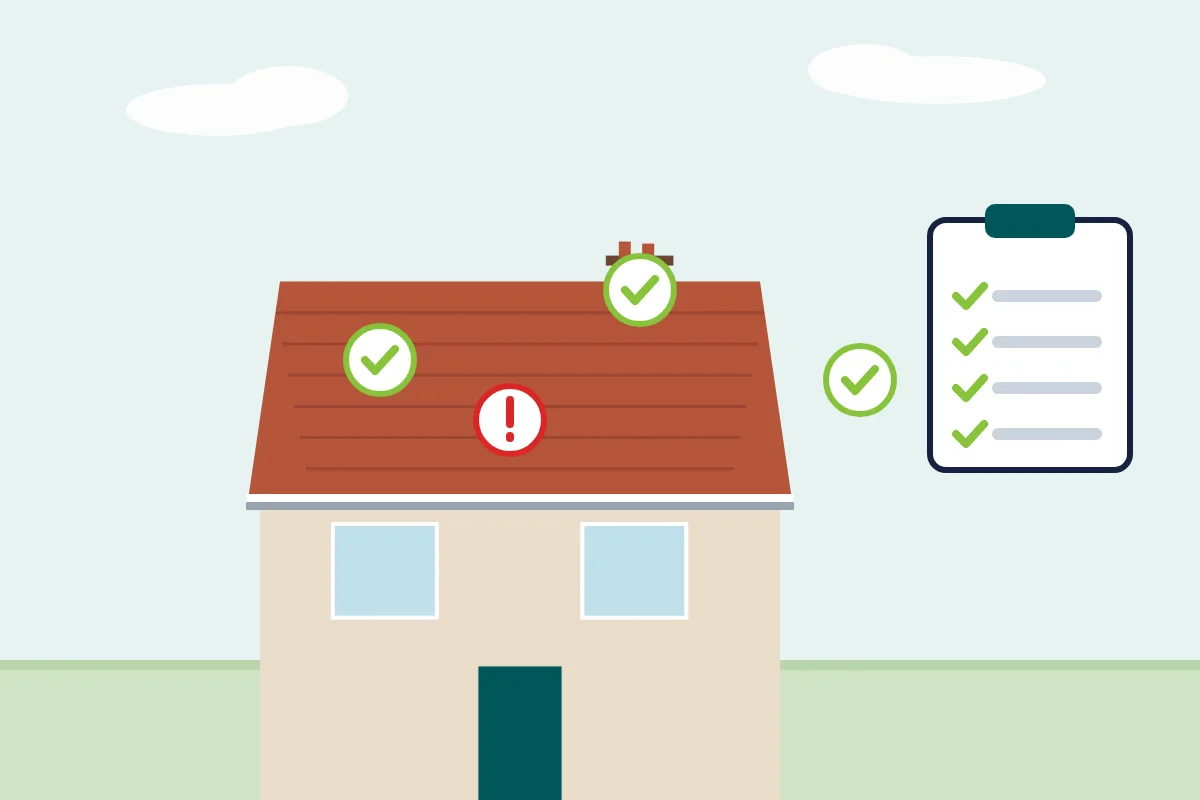
You don’t need to do much on the day. Show us any stains, drips or problem areas you know about, and we’ll take it from there. The survey itself takes between one and two hours on an ordinary house, though large, tall or awkward roofs take more time. Somewhere as small as Cooling, access is frequently the only tricky part. Let us know about outbuildings, past repairs and any leaks you’ve noticed. Weekday and weekend visits are available.
- First, we note any deadlines and concerns.
- We inspect as far as safe access allows.
- Each detail at ridges, verges, valleys and flashings is looked at.
- Debris and damage to other parts are recorded.
- We send a written report you can pass on.
Preparing for the visit
- Keep pets inside or away from the areas we are looking at
- Have any paperwork from past roof work to hand
- Unlock side gates and any roof access doors
Booking a survey
Unsure which package suits your roof? The easiest way is to phone 07833 053749 or email us and describe the roof and why you want it surveyed. We’ll explain the options and the price.
Advice
Cooling homes and their roofs
Cooling lies within about 3 miles of the sea, and being near the sea means more wind and salt than a roof inland would face. Metal fixings and flashings corrode faster in salt air, and loose ridges, slates and tiles are the first to lift in a gale, which is worth knowing before you buy or pay for new work. The wider area around Cooling has a long history of building, with Restoration House about 4.9 miles south. Older roofs in the wider area can hide decades of patch repairs, so the detail matters, and the council can say whether a home is in a conservation area.
Take an older house close to St James' Church: the roof’s history matters as much as its looks, and a survey brings the past repairs to light.
Cooling is about 5 miles north of Rochester, in Medway. We survey roofs in Cooling and the rest of Medway, as part of our work across London and the South East. Cooling is one of the places in Medway we cover. Our Maidstone page covers surveys nearby.
Every address in ME3 is within our area for new roof snagging. If you need new roof snagging at a property on Main Road and Cooling Road or a nearby road, we can survey it. We also cover the places around Cooling: Cooling Street (1 mile south-west), High Halstow (2 miles east), Sharnal Street (2 miles south-east), Fenn Street (2 miles east) and Chattenden (2 miles south). Within a short drive, we also cover Gillingham (6 miles south), Chatham (7 miles south), Rochester (5 miles south), Rainham (7 miles south-east), Strood (5 miles south-west) and Luton (6 miles south).
Landmarks near Cooling
The closest station to Cooling is Higham station, about 3.3 miles south-west. A little further out are Upnor Castle (3.4 miles south) and French Hospital (4.8 miles south). Not far away are Canvey Wick and Gad's Hill.
Questions from Cooling
Does being near the coast affect roofs in Cooling?
Places near the sea get more wind and more salt in the air than inland, and both are hard on roofs. Salt is hard on nails, clips and metal flashings, while strong wind lifts anything already loose.
Do you cover smaller places like Cooling?
Yes, Cooling is covered. Our area covers London and the South East, from towns to the smallest villages. The journey is planned ahead, so it helps to know about access.
What’s the best way to book?
Simply phone 07833 053749 or email us with the address. We’ll ask a few questions, confirm the price and agree a date.
Is it the same as a RICS Level 2 or Level 3 survey?
No. We’re experienced roof surveyors, and our survey covers the roof rather than the whole building. For the rest of the building, a RICS home survey is a separate job.
How long does new roof snagging take?
It normally takes about 1–2 hours for most homes, depending on how much new work there is to check. You will know roughly how long when we arrange it.
Do you lift tiles to check the fixings?
No, we don’t disturb the new coverings. Most fixings sit out of sight under the coverings, but we look at everything we can see safely.
Do you survey roofs on blocks of flats?
Yes. A shared roof needs access agreed first, with the freeholder or managing agent. Let us know about it as you book and we will plan the survey around it.
Useful tips for Cooling property owners
These tips come from what we see on roofs every week, before and after a survey:
- Look for new stains after a downpour
- Arrange the inspection before settling the final bill
- Note the end of any warranty or defects period
- Keep the contract and invoices together
Your roofer can use the report to put the snags right. If there is a dispute, it is between you and your roofer or builder, and our part is to report what we see.
Keep paperwork for the new roof together. The report belongs with them.
What affects the cost of new roof snagging
A few things affect what a survey costs:
- Building height and the viewpoints available
- Basic, Standard or Premium
- House, block, shop or office
- The shape of the roof and its details
Prices start from £150, with VAT included, for a Basic Survey. The Standard Survey starts from £250 and the Premium Survey from £400. We confirm the exact price before you book.
Helping us price your survey
A little information up front helps. Please include:
- The type of building and roof, like pitched or flat
- Your postcode, so we can check access and travel
- Access details, such as a loft hatch or a shared roof
- Pictures from the garden or a window, if you have them
Once you know what you need, call 07833 053749 or use the contact form. We’ll suggest a package, agree the price and find a date.
What we’re asked to look at in Cooling
Flashings at walls and chimneys often need attention. If they’re poorly dressed or fixed, water can get in at the first heavy rain.
Signs worth acting on include:
- Untidy or loose verge details
- Cracked mortar at the ridge or hips
- Underlay at the eaves left exposed
- Cracked or slipped new tiles or slates
If you own a rental within reach of Higham station, it is worth knowing a roof’s condition before you buy it, or before you sign off new roofing work on it.
Questions to ask before you book
- What insurance they carry
- Is VAT included in the price?
- Whether the loft space is looked at, where there is one
- How they plan to inspect the roof safely
What we look for on each type of roof
Valleys
Valleys carry a lot of water, so the detailing matters. We check the valley lining and the cut tiles or slates beside it.
Ridges, hips and verges
The top and edges of a roof are the most exposed. Bedding, dry-fix pieces and fixings are looked at where visible.
What you can safely check yourself
Look up at the roof after a storm, from ground level: pieces of tile or slate on the ground, a gap in the ridge or a lifted flashing are all worth noting. Don’t go up yourself.
The one thing to avoid is getting up close. Slates, tiles, flat roofs and rooflights can give way, and falls from height are serious. That’s where a survey comes in.