
Essex · London and the South East
New Roof Snagging in Layer-de-la-Haye
New roof snagging for homes and businesses in Layer-de-la-Haye. More than 5,000 surveys completed across London and South East England.
- Poorly finished verges
- Cracked or slipped new tiles or slates
- Vents that weren’t fitted or are covered
New roof snagging for homes and businesses in Layer-de-la-Haye
The best time for snagging is before the final payment while the roofer can still come back easily. If that is passed, it is worth checking before a defects or warranty period ends. That leaves time to raise what we find. Our report gives you a clear, photographed list of snags to send to your roofer before the deadline. Common reasons to book are debris left in gutters or valleys and cracked mortar at the ridge or hips, across loft conversions and dormers, ridges and verges and replacement roofs.
Some older homes in villages like Layer-de-la-Haye are listed or sit in a conservation area. If so, re-roofing in different materials may need consent, so check with the council before work starts. For a buyer or someone with a newly finished roof, it is worth knowing which applies, as well as what condition the roof is in. There are about 500,000 listed buildings and around 10,000 conservation areas in England.
You receive the findings by email, ready to forward to whoever needs them. Basic reports come within 48 hours, Standard within 24–48 hours and Premium on the day.
- Where
- Layer-de-la-Haye (CO2)
- Wider area
- Essex
- Price
- From £150 inc. VAT
- Report
- A written report with photos, by email
- When we survey
- Weekdays and weekends
- Insured
- Professional indemnity and public liability
- Telephone
- 07833 053749
- Updated
- 27 October 2026
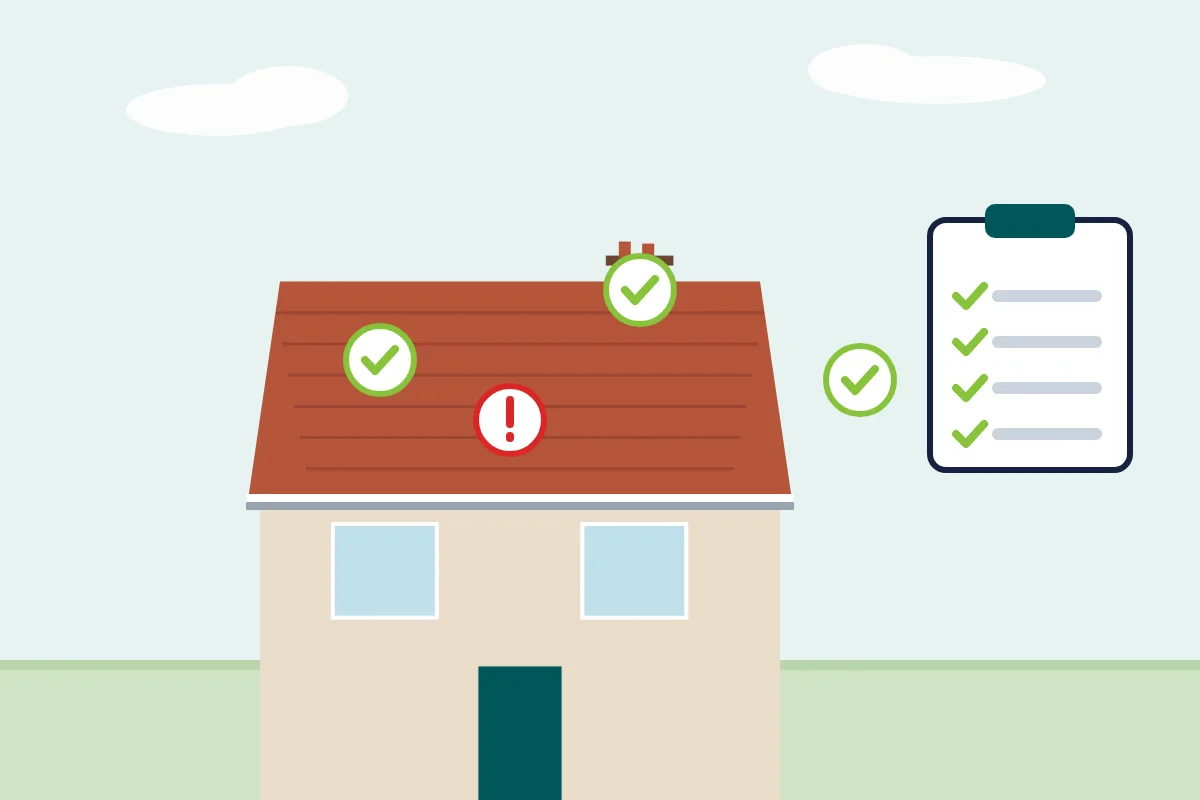
New roof snagging around Layer-de-la-Haye
Layer-de-la-Haye is within about 5 miles of the coast, and places near the sea get more salt in the air and more wind than inland. Corroded clips and nails and lifted ridge pieces are typical of exposed roofs near the sea, so exposed details get a careful look whether you’re buying or signing off new work. In Essex, older buildings are often clay-tiled, many with weatherboarding, and a good many post-war and modern estates besides. For a purchase or a newly finished roof, the materials decide which details matter most.
For landlords with property near Colchester Town station, a survey before purchase, or before signing off a new roof, saves surprises once a tenant moves in. Historic houses like Layer Marney Tower, about 3.1 miles south-west, show how far back building around Layer-de-la-Haye goes. When you buy an older home, the roof’s age, past repairs and any listing all affect what you might spend later.
Layer-de-la-Haye is about 3 miles south-west of Colchester, in Essex. Anywhere in Layer-de-la-Haye, we can carry out new roof snagging at your property, on a weekday, Saturday or Sunday. Our area takes in places right across Essex, large and small. Chelmsford is in our area too.
We work across the CO2 postcode area for new roof snagging. We offer new roof snagging to properties on Church Road, Green Acres Road and Old Forge Road. We also cover the places around Layer-de-la-Haye: Malting Green (1 mile east), Birch (2 miles west), Birch Green (2 miles west), Heckfordbridge (2 miles north-west) and Layer Breton (2 miles south-west). Within a short drive, we also cover Colchester (3 miles north-east), Braintree (13 miles west), Clacton-on-Sea (13 miles east), Maldon (11 miles south-west), Witham (10 miles west) and Camulodunum (3 miles north).
Landmarks near Layer-de-la-Haye
Typical jobs here are in homes near The Fox Public House and the streets around them. The nearest railway station is Colchester Town station, about 3.4 miles north-east. Other landmarks nearby include Essex County Hospital (3.1 miles north-east) and Social History Museum (3.4 miles north-east). Not far away are Roman River Valley.
What affects the price in Layer-de-la-Haye
The price reflects the time and kit the roof needs. The main factors are:
- Whether you choose the Basic, Standard or Premium Survey
- Any need for thermal images or a drone flight
- Building height and the viewpoints available
- Extensions, dormers and garages with roofs of their own
Larger roofs, taller buildings and commercial roofs take longer, so the price reflects that. You’ll know the figure before booking.
Helping us price your survey
These details help when you contact us:
- The kind of building and roof involved
- Any deadline, like an exchange date
- Pictures of the roof from a safe spot, if you have them
- Your postcode, so we can check access and travel
When you’re ready to go ahead, ring 07833 053749 or drop us an email. From there it’s a case of choosing a package, agreeing the price and fixing a day, weekday or weekend.
Before and after the survey
Most of what helps is simple and safe from the ground. Our suggestions:
- Raise snags in writing with your roofer
- Tell your roofer the work will be inspected
- Check lower roofs and walls after scaffolding comes down
- Look for new stains after a downpour
After the snags are sorted, watch the roof in the next heavy rain. If anything shows, tell your roofer right away.
File the contract, invoices and warranty papers in one place. The report belongs with them.
What we are asked to look at in Layer-de-la-Haye
Ventilation is sometimes missed or blocked during re-roofing. Without enough airflow, condensation can build up in the loft space.
Typical things we’re asked to look at include:
- Underlay ending short at the eaves
- Offcuts and broken tiles left behind
- Damage to other parts of the building
- Ridge and hip tiles not properly fixed
If yours is one of the older homes in the streets near Church of St John the Baptist, a survey will show how the roof has been repaired before, which helps you judge what’s coming.
What to check before booking
- Whether you get a written report with photos
- How they plan to inspect the roof safely
- Whether the price includes VAT
- Their drone registration, if they fly one
FAQs for Layer-de-la-Haye
Is Layer-de-la-Haye within the area you cover?
We do. A small place gets exactly the same survey as a big one, with the route planned beforehand.
How do I find out if my home in Layer-de-la-Haye is listed?
The council and Historic England’s list are the places to check. Either can affect what roof work is allowed, so it’s worth checking before planning any.
Does someone need to be in?
That depends on the survey. Inside the building and in the loft, we need someone to let us in; we will agree the details as you book.
Will you check every nail and clip?
No, we do not disturb the new coverings. Fixings and underlay under the slates or tiles are hidden, but we look at everything we can see safely.
How long will you be on site?
For a house, expect about 1–2 hours on site, and longer for large or complex roofs.
How long have you been surveying roofs?
Over 5,000 surveys so far, over more than 20 years.
What if it rains on the day?
It can, depending on the survey. Drones cannot fly safely in high wind or heavy rain, and thermal imaging works best after a sunny day, with a dry roof and little wind. If the conditions are not right, we will talk to you about another date.
What happens on the day
Before we start, tell us why you’ve booked: a purchase, a leak, a storm, new work or simply peace of mind. It helps us focus on what matters most to you. Most visits take roughly 1–2 hours at a typical home, rising to roughly 3–4 hours on a commercial building. In a small place like Layer-de-la-Haye, access is usually the main thing to plan. Let us know about outbuildings, past repairs and any leaks you’ve noticed. Visits can be on weekdays, Saturdays or Sundays.
- First, we note any deadlines and concerns.
- The roof is inspected from the ground, vantage points and the roof where safe.
- Each detail at ridges, verges, valleys and flashings is looked at.
- Debris and damage to other parts are recorded.
- We send a written report you can pass on.
Before the survey
- Have any questions written down, so nothing gets missed
- Keep pets out of the way during the survey
- Have any paperwork from past roof work to hand
Getting a price
Buyers should book once an offer has been accepted, so there is time to use the report before exchange. Otherwise, simply call 07833 053749 or use the contact form whenever suits you.
Related advice
What we look for on each type of roof
Valleys
A valley takes water from two slopes, so the detailing matters. We check the valley lining and the cut tiles or slates beside it.
Underlay and ventilation
From the loft, we check the underlay and look for condensation.
DIY checks: what’s safe
A lot can be seen from the ground. With binoculars, look for slipped or missing slates and tiles, gaps along the ridge and leaning chimneys. Please do not climb up for a closer look.
Your own check is a good start, but it is not a survey. From ground level, valleys, flashings and the backs of chimneys are often out of sight, and those are details a survey looks at closely.