
Oxfordshire · London and the South East
Roof leak investigation in Heath End, Oxfordshire
Roof leak investigations in Heath End, with over 20 years’ experience behind it. Every survey ends with a written report and photos.
- Leaks below a flat extension roof
- Staining around the chimney inside
- Water that shows only in certain storms
Roof leak investigation in Heath End: what you get
A leak that comes and goes can be the hardest to pin down. Driving rain from one direction, melting snow or a gutter that overflows in a downpour can all set it off. Notes on when it leaks, and what the weather was doing, help us and so do photos. Even on a dry day, a leak typically leaves clues: stained timbers, tide marks and damp underlay. Moisture readings show where materials are still wet. We survey flat roof details, slate and tile slopes and lead flashings, and the problems we are asked to look at most are a leak that comes and goes with the weather and damp underlay across a wide area.
Roofs in small places like Heath End often stand in the open, where storms hit ridges, verges and chimneys hardest. Once water gets into older walls, it takes a long time to dry, so it pays to find the cause quickly. A written record also helps if you need to explain it to anyone else.
We write the report in plain English, so it makes sense without any roofing background. Each point is backed by a photograph where possible, and recommendations are put with the most urgent first where relevant.
- Where
- Heath End (RG9)
- Region
- Oxfordshire
- Prices
- From £150 inc. VAT
- Reports
- A written report with photos, by email
- Survey days
- Weekdays and weekends
- Insured
- Professional indemnity and public liability
- Call
- 07833 053749
- Page updated
- 27 October 2026
Tips from our surveys
Here are a few things we’d tell any owner:
- Don’t climb onto the roof to look
- Make sure the loft is accessible
- Put a bucket under the drip and move valuables
- Keep water away from lights and sockets
Once the work is done, hold on to the report. If the leak returns, it is a useful record of what was found.
Have flashings and flat roofs looked at every few years. Flashings, valleys and flat roof details are frequent weak points, and wear is easier to deal with before water gets in.
How the survey works
We work from the outside in: first the slopes, edges and gutters from every safe viewpoint, then the roof space where it can be reached. All told, expect between one and two hours for most homes, though a hard-to-trace leak can take longer. Somewhere as small as Heath End, access is often the only tricky part. Mention any outbuildings, barns or garages you want included, and anything about the roof you already know. Weekday and weekend visits are available.
- You tell us where the water shows and when it appears.
- The visit starts indoors, at the stain and in the loft.
- Outside, we check every likely route in.
- We use moisture detection, and thermal imaging where it’s useful.
- Your report sets out where the water is most likely getting in, with photos and recommendations.
How to prepare
- Note where any stains or damp appear
- For a flat or shared roof, check access with whoever owns or manages the building
- If you’re buying, let the agent know when we are coming
Booking a survey
Getting a price is simple: just phone 07833 053749 or drop us an email and give us a few details about the property and we’ll recommend the right survey. The price is agreed up front.
Related advice
What we look for on each type of roof
Lead flashings
Lead flashings seal the joints at chimneys, walls and dormers. We check for lead that has lifted, split or slipped.
Chimney stacks
Chimneys let water in through pointing, flaunching, flashings and open pots. Each is looked at from every safe vantage point, and look for damp on the breast inside.
Other services in Heath End
What a roof leak investigation doesn’t cover
No survey can tell you everything, and it is better to know them up front. Keep these in mind:
- The repair itself (the investigation finds and reports the cause)
- Water from pipes, tanks or heating systems
- Structural calculations (that’s a structural engineer’s job)
If in doubt, phone 07833 053749 or email us and we will point you to the right survey before you book. What a survey covers and doesn’t.
What this survey covers
- Flat roof details
- Chimney stacks
- Slate and tile slopes
- Lead flashings
- The roof space
- Valleys and parapet gutters
- Rooflights and dormers
Wind, rain and roofs in Heath End
Older buildings in west Oxfordshire often have Cotswold stone slate roofs, and some Oxfordshire villages still have thatch. Across the South East, older homes tend to have slate or clay tiles, and many later ones concrete tiles. Knowing the roof type helps narrow down where water may be getting in. About 4 miles south-east lies Greys Court, a reminder of how long the area around Heath End has been built on. Period homes nearby can have lead valleys, tall chimneys and a patchwork of past repairs, and any change of roofing material on a listed home needs checking with the council first.
The streets around a church such as Church of the Holy Trinity are often among the oldest in a place, and if yours is one of the older homes nearby, water on an older roof tends to find its way in at the lead, the valleys or the chimney.
Heath End is about 7 miles north-west of Caversham, in Oxfordshire. We carry out roof leak investigations for homes and businesses in Heath End. Our Oxfordshire coverage includes Heath End and the places around it. Reading is in our area too.
We work across RG9 for roof leak investigations and the streets around it. Neighbouring places we cover for roof leak investigations include Nuffield (1 mile north), Stoke Row (2 miles south-east), Checkendon (2 miles south), Ipsden (2 miles west) and Hook End (3 miles south). Further out, we also cover Oxford (15 miles north-west), Didcot (9 miles west), Abingdon-on-Thames (13 miles north-west), Thame (12 miles north), Henley-on-Thames (6 miles south-east) and Benson (4 miles north-west).
Local landmarks in Heath End
In Heath End, that means homes and buildings near The Crown Public House. Well-known places in the area include Wallingford Castle (4.2 miles north-west). For a walk, there is Warburg Nature Reserve.
What you can safely check yourself
Look up at the roof after a storm, from the ground: pieces of tile or slate on the ground, a gap in the ridge or a lifted flashing are all worth noting. Don’t go up yourself.
Your own check is a good start, but it isn’t a survey. From the ground, valleys, flashings and the backs of chimneys are often out of sight, and those are details a survey looks at closely.
FAQs for Heath End
How do I find out if my home in Heath End is listed?
You can check whether a building is listed on Historic England’s list, and your council can tell you if it is in a conservation area. If a home is listed, changes that affect its special interest need listed building consent, and in a conservation area re-roofing in different materials may need permission.
Do you cover Heath End?
Yes. We cover the whole of London and South East England, and Heath End is part of that. Just call 07833 053749 or drop us an email and let us know about the property.
How long will you be at the property?
The visit typically takes about 1–2 hours at a typical home, and more on a big or complicated roof. We’ll give you an idea of timing as you book.
Are you structural engineers?
No. Our survey isn’t a structural engineer’s report. If we see signs that need an engineer’s opinion, we’ll recommend one.
Why doesn’t the damp patch line up with the hole?
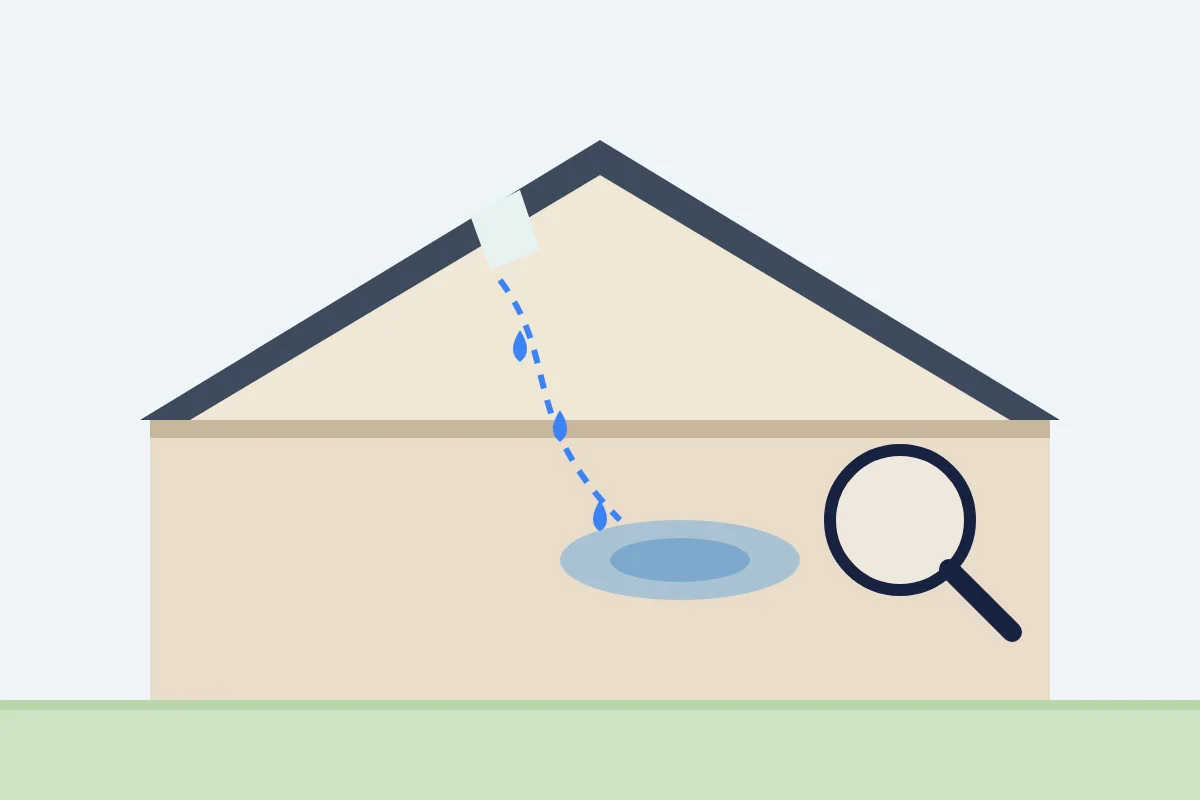
Because water travels. It runs along rafters, battens or underlay before it drips, so the entry point is often well away from the mark. That is why we trace the route rather than patching above the stain.
Is this a RICS survey?
No. It’s a specialist roof survey, not a RICS Level 2 or Level 3 building survey. It focuses on the roof, so it sits alongside a building survey rather than replacing it.
What will the report tell me?
It works through the roof part by part, in writing and with photos, and ends with what we recommend. The most urgent items are made clear.
Landlords, agents and block managers in Heath End
We also survey roofs for businesses and commercial landlords, including offices, shops and units. Bigger roofs take more time, so they’re priced to suit.
A roof problem in a let property affects your tenants as well as the building. A survey helps you spot issues early and plan the work.