
Kent · London and the South East
Queen Street Gutter Survey
A survey of gutters, valleys, outlets and downpipes across Queen Street, using drones and thermal imaging where applicable. Get in touch for a price.
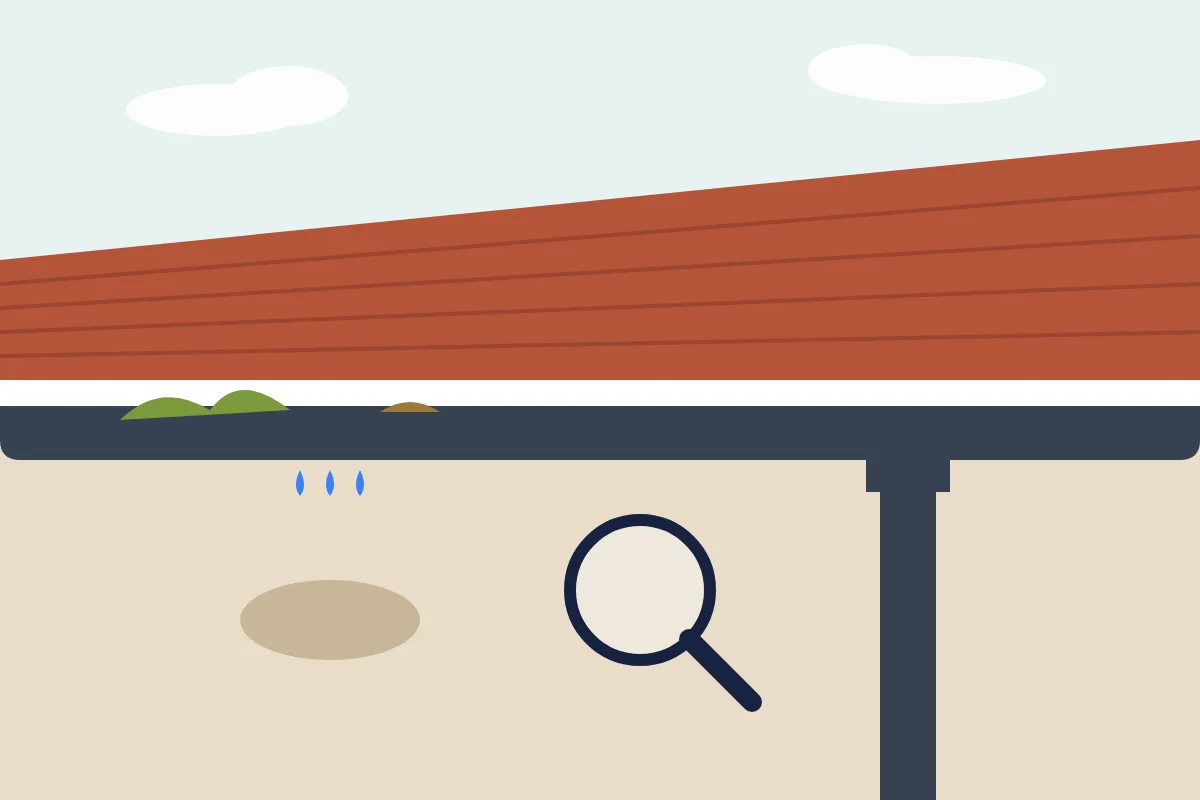
- Blocked outlets and hoppers
- Water spilling over the gutter edge
- Fascia boards damaged by overflowing water
Gutter surveys for homes and businesses in Queen Street
Owners get in touch after seeing an overflow, finding damp or planning ahead for winter. Landlords and managing agents use the report to plan upkeep, and some buyers want the rainwater system checked before exchange. Whoever books, we inspect and report in the same way with photos and clear recommendations. We survey on weekdays and at weekends. We survey valley gutters, eaves gutters and downpipes, and people most frequently book us about joints that drip after rain and choked outlets or hopper heads.
Older buildings in small places like Queen Street may be listed or in a conservation area. If yours is, re-roofing in different materials may need consent, so the council is the place to check. Knowing the roof’s condition helps you plan ahead with that in mind. Older materials such as clay tiles, slate and stone are often matched when work is done.
Nothing in the report is left vague: if work is needed, the report says so clearly, and where it can wait, that is said too.
- Where
- Queen Street (TN12)
- Wider area
- Kent
- Cost
- From £150 inc. VAT
- Reports
- A written report with photos, by email
- When we survey
- Monday to Sunday, daytime
- Cover
- PI and public liability insurance
- Telephone
- 07833 053749
- Page updated
- 27 October 2026
Gutter surveys around Queen Street
If your home is older, it’s worth knowing whether it is listed or in a conservation area before planning roof work. Listed building consent covers changes to a listed building’s special interest, and an Article 4 direction can bring extra controls in a conservation area. Handmade clay tiles, including Kent peg tiles hung on pegs through two holes, are typical of older Kent buildings. You’ll also find oast houses and timber-framed Wealden hall houses among the county’s older buildings. On roofs like these, good slates or tiles can outlast the nails, battens, lead and mortar around them.
If you own a rental within reach of Paddock Wood station, a dated record of the roof is useful when planning maintenance across a let. If you live near a park such as Foal Hurst Wood, or anywhere with mature trees, autumn leaves can block gutters and valleys, so outlets and downpipes are worth watching.
Queen Street is about 6 miles east of Tonbridge, in Kent. Queen Street is one of many places we visit across Kent. Our Kent coverage includes Queen Street. For surveys nearby, see our Maidstone page.
All of TN12 is covered for gutter surveys, from the main roads to the quietest streets. We also cover Mile Oak (1 mile south), Pearson's Green (2 miles south), Claygate (2 miles south-east), Castle Hill (2 miles south) and Palmer's Green (2 miles south). Larger places within reach include Maidstone (8 miles north-east), Sevenoaks (12 miles north-west), Royal Tunbridge Wells (7 miles south-west), Tonbridge (6 miles west), Kings Hill (6 miles north) and Foley Park (9 miles north-east).
Local landmarks in Queen Street
We work in homes and buildings around John Brunt V.C. Pub, Mascalls School and Foal Hurst Wood. Queen Street’s nearest station is Paddock Wood station, roughly 1 mile west. A little further out are Tunbridge Wells Hospital (5.1 miles south-west) and The Hop Farm Museum (1.1 miles north-west). The countryside around Queen Street includes Tudeley Woods RSPB reserve.
Common roof problems in Queen Street
Lots of tiled and slate roofs carry moss, and rain washes it down into the gutters. Mixed with grit from the roof, it settles as silt that slows the flow and gives plants somewhere to grow.
A survey can pick up problems such as:
- Downpipes that are split or coming away
- Water spilling over the gutter edge
- Overflowing valley or parapet gutters
- Rotten fascias or stained soffits
If you look after a building like Paddock Wood Primary School, a written record of a large roof helps plan work for the holidays rather than in term time.
Questions to ask before you book
- Whether VAT is in the quoted price
- Whether they hold professional indemnity and public liability insurance
- What happens after the report arrives
- Whether you get a written report with photos
Tips from our surveys
Most of what helps is simple and safe from the ground. Our suggestions:
- Keep climbers away from the eaves
- Look for downpipes coming loose
- Look out for overflows when it pours
- Watch for green marks down the brickwork
Questions about the report are welcome. The Standard Survey includes a follow-up consultation, and the Premium Survey includes an in-person consultation.
Get the gutters cleared every year or more often near trees. Late autumn, after the leaves have fallen, is a sensible time. Clean gutters can do their job.
Questions from Queen Street
Can a landlord with a rental near Paddock Wood station book a roof survey?
Yes, rented property is part of what we cover. Just call 07833 053749 or send us an email and let us know about the building, including who will give access on the day.
Does a conservation area affect roof work in Queen Street?
Check Historic England’s online list first, then ask the council about conservation areas and any Article 4 direction. It matters most if you’re planning to re-roof in a different material.
Could my damp wall be caused by the gutters?
The survey looks at whether rainwater is spilling onto the wall, through overflows, drips or damaged downpipes. We cannot see inside walls, so the report covers what can be seen.
Do you climb onto every roof?
Only when it is safe. Some roofs are too steep or fragile to walk on safely. Safe viewpoints, the loft and a drone where applicable let us see the rest, and the report records anything we couldn’t see.
Does someone need to be in?
If the survey includes the loft or the inside of the building, someone needs to let us in. Access is agreed with you as you book.
Will the survey check for asbestos?
No. We don’t carry out asbestos testing. Where gutters, downpipes or soffits could be asbestos cement, we flag them and recommend a specialist asbestos surveyor checks them before they’re disturbed.
Do you survey underground drains?
No, CCTV drain work isn’t part of this survey. The survey covers gutters, outlets, hoppers, downpipes and overflows and note any sign that the drains need checking.
What happens on the day
We photograph the roof as we go, so you can see in the report what we found and where. We take close-ups from wherever is safe. A typical visit takes between one and two hours for most homes, and longer where there are parapet, valley or box gutters to follow. In a hamlet or village like Queen Street, a postcode doesn’t always lead to the right gate, so a few directions, or a note of a nearby landmark, help us arrive on time. The visit itself is the same as anywhere else.
- You tell us where you’ve seen overflows, drips or damp.
- The eaves gutters, downpipes and fascias are looked at from ground level and windows.
- Valleys, parapets and box gutters are inspected where they can be seen safely.
- The loft space is checked for staining, where it can be reached safely.
- A photo-illustrated written report and recommendations follows.
Preparing for the visit
- If the roof is shared, arrange access with whoever manages the building
- Clear the way to the loft hatch
- If you are buying, check with the agent that we can get in
How to book
Our phone lines are open seven days a week. To book or ask a question, phone 07833 053749 or send us an email.
Related advice
Honest limits
Our survey isn’t a RICS Level 2 or Level 3 survey, a structural engineer’s report or an asbestos survey. It also has these limits:
- Damage hidden inside walls or behind boards
- Blockages deep inside downpipes
- Whether a material contains asbestos (a specialist asbestos surveyor’s job)
If in doubt, call 07833 053749 or drop us an email and we’ll recommend the right survey. The full list of what we check.
What this survey covers
- Outlets and hoppers
- Fascias and soffits
- Valley gutters
- Downpipes
- Parapet and box gutters
- Eaves gutters
Nearby places to Queen Street
Also in Queen Street
How the survey changes by roof type
Box and secret gutters
Hidden gutters are a common source of leaks inside. Outlets, linings and overflows are checked as far as access allows.
Fascias and soffits
Fascias carry the gutters, so rot in the boards can loosen the whole run. Damaged or stained boards are recorded.
Checking the roof from the ground
A lot can be seen from ground level. Binoculars help you spot slipped slates or tiles, gaps along the ridge and a leaning stack. Never climb onto the roof to look.
The one thing to avoid is getting up close. Roofs are fragile and slippery. That is where a survey comes in, using safe viewpoints and a drone where applicable.